
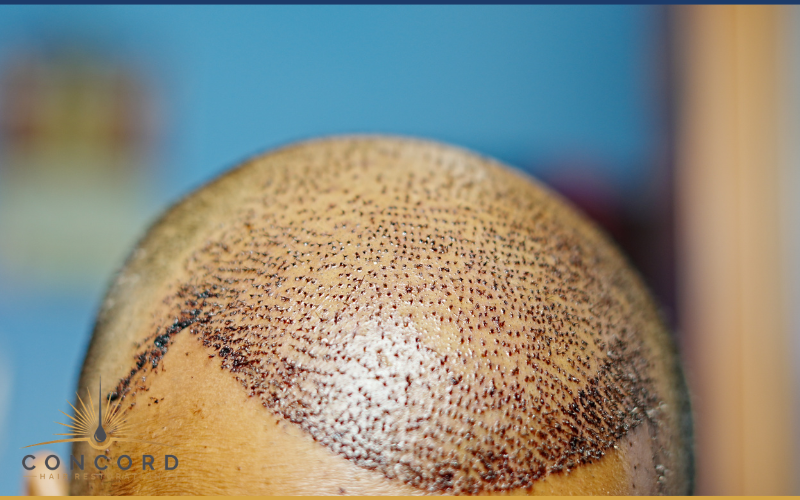
One of the first questions patients ask after a hair transplant is surprisingly practical:
When can I wear a hat again?
For many people, a hat feels like the easiest way to conceal redness, scabbing, or a recently treated scalp while returning to work or everyday life.
But immediately after a hair transplant, protecting newly placed grafts is more important than hiding them.
A hat that touches, presses against, or rubs the recipient area too soon could interfere with healing.
The safest answer is therefore:
Follow the postoperative instructions provided by your hair transplant clinic before wearing any type of hat over the recipient area.
The appropriate timing can depend on the procedure, where grafts were placed, how the scalp is healing, and the type of hat you want to wear.
Here is what patients should know.
Why Hats Matter After a Hair Transplant
During a hair transplant, follicular units are placed into small recipient sites in the thinning areas of the scalp.
Those grafts need time to settle and begin healing.
During the earliest stage, patients are usually instructed to minimize unnecessary contact with the recipient area.
That means avoiding:
- Scratching
- Rubbing
- Picking scabs
- Bumping the scalp
- Tight headwear
- Anything that creates repeated friction
A hat can become an issue if it presses directly against the newly treated area.
Can You Wear a Hat Immediately After a Hair Transplant?
Do not assume that you can.
Some patients may be permitted to wear certain loose head coverings relatively early, while others may be told to avoid hats for a period of time.
The answer depends partly on:
- Location of the grafts
- Size of the treatment area
- Hairline placement
- Crown treatment
- Amount of swelling
- Early healing
- Type of hat
- Clinic protocol
Your own treatment team’s instructions should always take priority over a general online timeline.
Why Newly Transplanted Grafts Need Protection
A hair transplant works by relocating follicular units from a donor area into recipient sites.
Immediately after placement, those follicles are beginning the healing process.
During this period, unnecessary mechanical trauma should be avoided.
That is why early postoperative instructions typically focus on protecting the scalp from:
- Friction
- Pressure
- Scratching
- Direct impact
- Aggressive washing
The same principle applies to hats.
A hat that constantly brushes across a fresh hairline is very different from a loose covering that never touches the recipient area.
For more about early graft healing, read How Do Hair Grafts Survive After Transplantation?.
How Long Should You Wait Before Wearing a Hat?
There is no universal number of days that applies to every patient.
You may see specific timelines online, but postoperative recommendations vary depending on the procedure and clinic.
A better approach is to ask:
Has my treatment team confirmed that my grafts have healed enough for this particular type of hat?
The type of hat matters just as much as the timing.
A loose hat with plenty of clearance may affect the scalp differently from:
- A fitted baseball cap
- Tight beanie
- Helmet
- Hard hat
- Compression cap
- Tight sun hat
Before wearing one, ask what is appropriate for your stage of recovery.
What Kind of Hat Is Safest After a Hair Transplant?
When headwear is eventually permitted, the most important characteristic is usually avoiding pressure or rubbing against the recipient area.
Depending on your clinic’s instructions, a suitable hat may need to be:
- Loose-fitting
- Clean
- Easy to put on
- Easy to remove
- Large enough to avoid the transplanted area
A tight hat is generally more likely to create friction than a loose one.
That does not mean every loose hat is automatically safe.
Ask your treatment team first.
Why Putting the Hat On Matters
Patients often focus on how a hat feels once it is on their head.
But putting it on and taking it off may create even more contact with the transplant.
Pulling a tight cap down across the forehead could drag material directly across a newly transplanted hairline.
Removing the same hat could create a similar problem.
If your clinic allows a hat, you may be advised to place and remove it carefully so it does not scrape across the recipient region.
Can You Wear a Baseball Cap After a Hair Transplant?
Eventually, many patients return to wearing baseball caps.
The issue is timing.
A fitted cap may rest against:
- Frontal grafts
- Temples
- Crown
- Donor area
depending on how the procedure was performed and how the hat fits.
Even an adjustable baseball cap can create pressure along certain points of the scalp.
Before wearing one during early recovery, confirm that your treatment team considers it appropriate.
Can You Wear a Beanie After a Hair Transplant?
A beanie may seem soft, but it usually fits closely around the scalp.
That means it can create more direct contact with transplanted areas than a loose hat.
It may also create friction when being pulled on or removed.
For this reason, do not assume a soft hat is safer simply because the fabric feels comfortable.
Wait until your clinic clears that type of headwear.
Can You Wear a Cowboy Hat or Wide-Brimmed Hat?
A wider hat may provide more internal space than a fitted cap, but fit still matters.
If any part of the hat rests directly against grafts, it may not be appropriate during early recovery.
A wider brim can eventually be useful for sun protection, but immediately after surgery you should follow your clinic’s instructions regarding both headwear and sun exposure.
When Can You Wear a Hard Hat After a Hair Transplant?
This is particularly important for patients who work in construction, manufacturing, utilities, or other jobs requiring protective headgear.
A hard hat is not simply cosmetic headwear.
It may involve:
- Pressure
- Sweat
- Repeated contact
- Internal suspension bands
- Long wear periods
If your job requires a hard hat, discuss this before scheduling the procedure.
You may need to arrange time away from work until protective equipment can be worn without interfering with healing.
Do not ignore workplace safety requirements just to return to work earlier.
Instead, plan the procedure around the required recovery period.
What About Motorcycle or Bicycle Helmets?
Helmets generally create much more contact and pressure than ordinary hats.
They may also create heat and friction around the scalp.
Patients should not resume helmet use based simply on the fact that visible scabbing has improved.
Ask your treatment team when your scalp is ready for the specific helmet you use.
This may also affect when you can safely return to cycling, motorcycling, or certain sports.
Can You Wear a Hat to Hide Hair Transplant Scabs?
This is one of the most common reasons patients want to wear a hat.
Small crusts can form around transplanted follicles during the early healing phase.
They are temporary.
However, hiding those scabs should never take priority over protecting the transplant.
If your clinic has not yet cleared you to wear a hat, allow the scalp to remain uncovered.
For more information, read Hair Transplant Scabs: What’s Normal and When Do They Fall Off?.
Can a Hat Pull Out Hair Grafts?
A hat that rubs or catches on a recently treated area could potentially traumatize the recipient region.
That is why early contact is generally minimized.
As healing progresses, the transplanted follicles become more secure.
But patients should not try to determine this themselves by testing different hats against the scalp.
Follow the timeline given by the treatment team.
What If My Hat Accidentally Touches the Grafts?
A brief accidental touch does not automatically mean the transplant has been ruined.
Do not panic.
Instead, look for signs such as:
- Significant bleeding
- Obvious trauma
- Increasing pain
- A wound that appears disrupted
If you are concerned, contact your clinic.
Avoid repeatedly touching the area to inspect it.
Can a Hat Cause an Infection After Hair Transplant Surgery?
The bigger concern is keeping the healing scalp clean and following postoperative care instructions.
If your clinic permits headwear, use a clean hat.
Avoid putting an old, sweaty, or dirty hat directly over a healing surgical area.
Wash appropriate headwear before the procedure so it is ready when your clinic says you can use it.
What About Sweating Under a Hat?
Sweat can become another consideration, particularly with:
- Beanies
- Work hats
- Helmets
- Exercise
- Hot weather
During early recovery, patients may also have restrictions on strenuous exercise.
Wearing tight or heavy headwear while sweating can create additional moisture and friction around the scalp.
Ask your clinic when both exercise and prolonged headwear can safely resume.
Can You Wear a Hat After FUE?
FUE patients often ask this because there may be healing areas at both the recipient and donor sites.
The same basic rule applies:
Do not place unnecessary pressure on healing areas until your treatment team clears you to do so.
FUE refers to how individual follicular units are harvested from the donor area.
It does not mean the recipient grafts require no postoperative protection.
For more about the procedure, visit our FUE Hair Transplant Los Angeles guide.
Does Wearing a Hat Affect Hair Growth Months Later?
Once the scalp has healed and normal activities have resumed, ordinary hat use is a very different situation from wearing a tight hat immediately after surgery.
Hair growth occurs gradually over months.
The main issue during early recovery is protecting healing recipient sites, not avoiding hats forever.
Concord Hair Restoration also has a separate guide addressing the broader question Does Wearing a Hat Cause Baldness?.
Can You Wear a Hat Once the Scabs Are Gone?
The disappearance of scabs is encouraging, but it should not be treated as the only criterion.
The skin and underlying tissue continue healing after the scalp starts looking more normal.
Follow your clinic’s protocol regarding when regular headwear can resume.
Do not assume:
“No scabs = anything can touch my scalp.”
Your treatment team can give you a more accurate answer based on your procedure.
What About Sun Protection?
Patients often want to wear a hat specifically to protect the scalp from Los Angeles sun.
Sun protection after a hair transplant is important, but the appropriate method depends on your stage of recovery.
Early after surgery, do not automatically apply sunscreen or place a hat over the recipient area unless your clinic has approved it.
Ask specifically:
- When can I wear a sun hat?
- When can sunscreen be applied?
- How long should direct sun exposure be limited?
This can be especially important for patients recovering in Southern California.
How Can You Hide a Hair Transplant Without a Hat?
During the period when headwear is restricted, patients sometimes ask about other concealment methods.
Do not apply:
- Hair fibers
- Makeup
- Styling products
- Concealers
- Sprays
directly over healing grafts unless your clinic approves them.
Sometimes the safest approach is simply allowing the recipient area to remain visible while it heals.
For patients concerned about discretion, discussing recovery timing before the procedure can help.
Plan Your Return to Work Around Headwear Requirements
Your occupation can influence recovery planning.
Someone who works from home may be able to avoid headwear easily.
Someone who must wear:
- A hard hat
- Uniform cap
- Helmet
- Protective hood
may need a different return-to-work plan.
Discuss this during the consultation rather than after the procedure.
This gives you time to arrange appropriate leave or modified duties if necessary.
What About Wearing a Hat on a Flight Home?
Out-of-town patients often want to cover their scalp while traveling through an airport.
Do not assume you can wear a hat simply because you are traveling home.
If your clinic says headwear is not yet appropriate, follow that advice.
Planning travel around the procedure is especially important for patients concerned about privacy.
For more information, see Traveling to Los Angeles for a Hair Transplant: What Out-of-Town Patients Should Know.
What About the Donor Area?
The recipient area usually receives the most attention, but the donor area is healing too.
With FUE, individual follicles have been removed from the donor region.
A hat that presses or rubs against the back or sides of the scalp may affect comfort during early healing.
This is another reason fit matters.
When Can You Return to Normal Hair Styling?
Headwear is only one part of returning to your normal routine.
Patients also ask about:
- Haircuts
- Styling products
- Blow dryers
- Hair fibers
- Gel
- Hair spray
- Clippers
Each has its own considerations.
Do not use the fact that you can wear a hat again as evidence that every other hair-care activity is automatically safe.
Follow the postoperative plan provided for your procedure.
A Good Rule: Protect the Grafts Before Protecting Your Privacy
It is understandable to want to hide signs of the procedure.
But those signs are temporary.
Protecting the grafts and allowing proper healing should be the priority.
If that means going without a hat for longer than you would prefer, it may be worth the inconvenience.
Hair transplantation is a long-term investment.
A few days of temporary visibility are small compared with the months and years you want the result to last.
Frequently Asked Questions About Hats After Hair Transplants
When can I wear a hat after a hair transplant?
There is no universal timeline. The answer depends on your procedure, recipient area, healing, type of hat, and your clinic’s postoperative protocol.
Can I wear a loose hat after a hair transplant?
Possibly, once your clinic approves it. A loose hat may create less pressure than a fitted one, but it still should not rub against healing grafts.
Can I wear a baseball cap after FUE?
Eventually, most patients return to regular headwear. During early recovery, however, ask your treatment team before wearing a fitted cap.
Can a hat ruin a hair transplant?
Unnecessary rubbing or pressure during early healing is something patients are generally advised to avoid. Following your postoperative instructions helps protect the recipient area.
Can I wear a beanie after a hair transplant?
A beanie sits directly against the scalp and can create friction. Ask your clinic when tight-fitting headwear can safely resume.
Can I wear a hard hat after a hair transplant?
If your job requires protective headgear, discuss it with the clinic before your procedure. You may need additional recovery time before returning to those duties.
Can I wear a hat after the scabs fall off?
Possibly, but scab disappearance should not be the only factor. Follow the timeline provided by your treatment team.
Can I wear a hat to protect my scalp from the sun?
Eventually, a hat can be useful sun protection. During early recovery, however, follow your clinic’s guidance about when headwear and sunscreen are appropriate.
What if my hat accidentally touches my grafts?
Brief contact does not automatically mean damage occurred. If there is bleeding, significant pain, obvious trauma, or another concern, contact your clinic.
Will wearing hats make my transplanted hair fall out later?
Once the scalp has healed and normal activities resume, ordinary hat use is different from applying pressure to freshly placed grafts during the early postoperative stage.
Protect Your Hair Transplant During Early Recovery
The question is not simply whether you can wear a hat after a hair transplant.
It is when and how you can wear one without interfering with the healing scalp.
The safest approach is to follow the postoperative instructions provided for your specific procedure.
Concord Hair Restoration provides patients with individualized recovery guidance based on the areas treated, procedure performed, and healing process.
For a complete overview, read our Hair Transplant Aftercare Guide and Hair Transplant Timeline.
Patients considering a hair transplant in Los Angeles can schedule a personalized consultation at our Encino office.
Concord Hair Restoration – Encino
16661 Ventura Blvd., Suite 703
Encino, CA 91436
(818) 800-2002