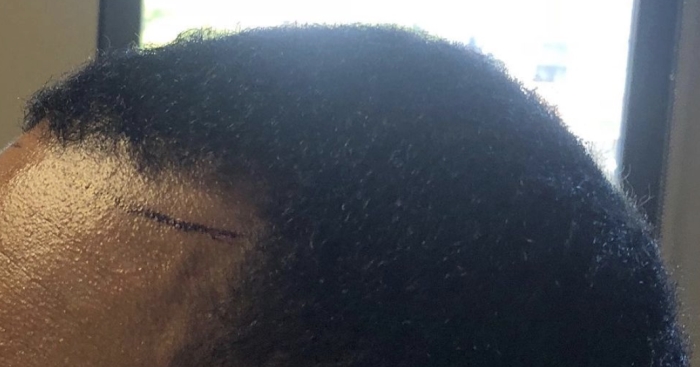
African American Thinning Edges Hair Transplant Surgery: Restoring Confidence and Natural Beauty
African American Edge Hair Transplant for Thinning Edges & Traction Alopecia
Medically reviewed by Dr. Ben Mousavi, MD
Hair Restoration Surgeon – Los Angeles & San Diego
Updated for 2026
Thinning edges can be deeply frustrating and emotionally difficult, especially when changes to the hairline begin affecting confidence, styling options, and overall appearance.
At Concord Hair Restoration, we understand that African American hair restoration requires specialized expertise. Textured hair, curl patterns, follicle angles, and traction-related hair loss all require a highly customized approach to achieve natural-looking results.
Almost half of Black women experience some form of hair loss, and traction alopecia remains one of the most common causes associated with chronic tension styling practices. Johns Hopkins traction alopecia reference
Many patients experiencing thinning edges are not simply looking for more density — they want restored facial framing, natural hairlines, and results that blend seamlessly with their existing hair.
Modern FUE hair transplant techniques have made edge restoration more advanced and natural-looking than ever before.
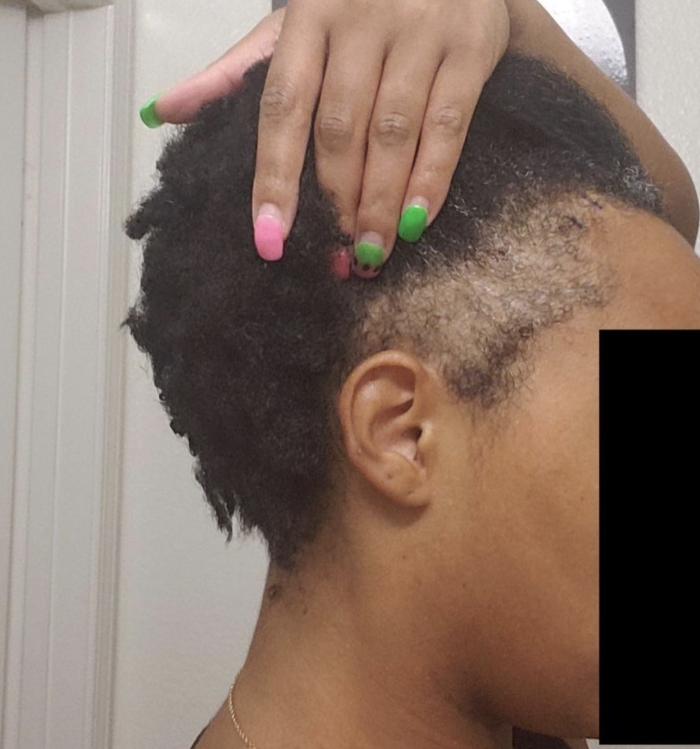
Understanding African American Hair and Thinning Edges
African American hair has unique characteristics that can make the hairline more vulnerable to thinning and traction-related damage.
Factors that commonly contribute to thinning edges include:
- tight braids
- weaves
- extensions
- frequent tension styling
- chemical treatments
- excessive heat styling
- genetics
- hormonal changes
Over time, repeated tension along the hairline can lead to traction alopecia, a condition where follicles become damaged from chronic pulling and stress.
Many patients notice thinning around:
- the temples
- front edges
- corners of the hairline
- side hairline areas
As thinning progresses, styling alone may no longer provide the desired appearance.
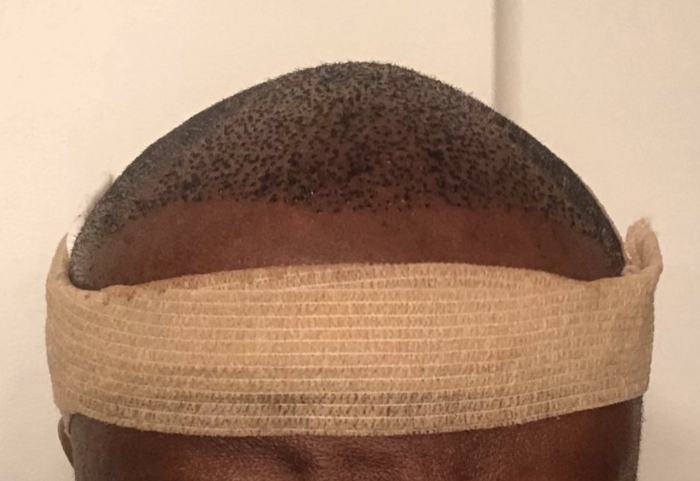
African American edge hair transplant results after FUE restoration
Why Specialized Experience Matters for African American Hair Restoration
Hair restoration for textured hair requires more than standard transplant techniques.
African American hair follicles often have:
- curved growth patterns
- unique follicle angles
- distinct density characteristics
- specialized hairline shapes
Because of this, edge restoration procedures require careful planning and surgical precision.
At Concord Hair Restoration, we focus heavily on:
- natural hairline artistry
- proper graft angulation
- donor preservation
- long-term planning
- subtle density transitions
The goal is not simply restoring hair, but restoring a natural appearance that complements the patient’s facial features and hair texture.
What Is an Edge Hair Transplant?
An edge hair transplant is a specialized hair restoration procedure designed to improve density and restore thinning areas along the hairline.
This typically involves:
- carefully harvesting healthy follicles from the donor area
- transplanting them into thinning edge regions
- recreating natural density and hairline softness
Modern FUE (Follicular Unit Extraction) techniques allow surgeons to place individual follicles with greater precision and control.
This is especially important for edge restoration because even small changes in graft placement can significantly affect overall appearance.
Why Hairline Design Is So Important
One of the most important parts of an edge hair transplant is hairline design.
Overly straight or aggressive hairlines can appear unnatural, particularly when restoring delicate edge areas.
Natural-looking results often require:
- softer transitions
- irregular density patterns
- age-appropriate framing
- proper graft angles
- facial balance consideration
At Concord Hair Restoration, we take a highly individualized approach to hairline design to help create results that look subtle, realistic, and harmonious with the patient’s natural features.
Can Edge Hair Transplants Be Performed in Los Angeles?
Yes. Patients seeking African American hair restoration consultations in Los Angeles often visit Concord Hair Restoration for advanced FUE procedures focused on thinning edges, traction alopecia, and natural hairline restoration.
Many Los Angeles patients are specifically searching for:
- natural-looking results
- minimal visible scarring
- discreet recovery
- textured hair expertise
- long-term hairline planning
Modern FUE techniques allow for more refined and personalized restoration than older hair transplant methods.
Recovery After an Edge Hair Transplant
Recovery experiences vary depending on the patient and the size of the procedure.
Patients can generally expect:
- temporary redness
- mild scabbing
- gradual healing
- temporary shedding before regrowth
Visible improvement develops gradually as transplanted follicles begin producing new hair over several months.
Proper aftercare and patience play important roles in achieving successful long-term results.
Why More Patients Are Seeking Edge Restoration
Awareness surrounding traction alopecia and hairline restoration has grown significantly in recent years.
Many patients today are looking for:
As FUE technology continues advancing, edge hair transplants have become increasingly refined for patients with textured hair and thinning edges.
Final Thoughts
African American edge hair transplants can help restore thinning hairlines caused by traction alopecia, genetics, or chronic tension styling.
Because textured hair restoration requires specialized expertise, choosing an experienced provider who understands curl patterns, follicle angles, and natural hairline artistry is extremely important.
Modern FUE techniques now allow for more natural-looking, customized results that help patients restore confidence while maintaining realistic and age-appropriate hairlines.
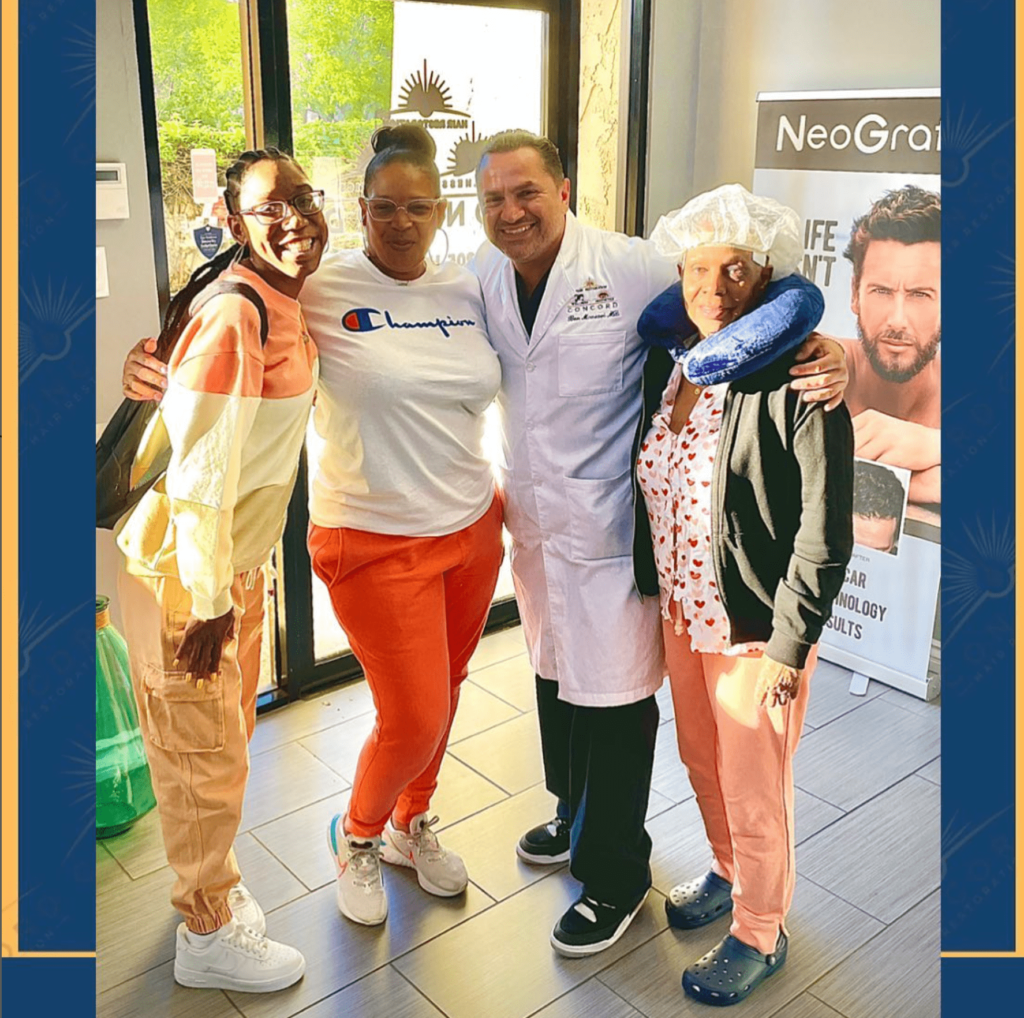
Traction alopecia hairline restoration using advanced FUE techniquesFAQs
What causes thinning edges in African American hair?
Common causes include traction alopecia, tight hairstyles, chemical treatments, heat styling, genetics, and chronic tension on the hairline.
What is traction alopecia?
Traction alopecia is hair loss caused by repeated pulling or tension on the hair follicles from certain hairstyles or styling habits.
Can traction alopecia become permanent?
Yes. Chronic traction alopecia can eventually lead to permanent follicle damage if tension and pulling continue over time without treatment or changes in hairstyling practices.
Can thinning edges be restored with a hair transplant?
Yes. Modern FUE hair transplant techniques can often help restore density along thinning edges and hairlines.
Does textured hair require specialized hair transplant techniques?
Yes. African American hair restoration often requires specialized understanding of curl patterns, follicle angles, and natural hairline design.
Does FUE leave scars?
FUE procedures generally leave very small extraction marks that are often much less noticeable than traditional strip surgery scars.
How long does edge hair transplant recovery take?
Initial healing often occurs within days to weeks, while full hair growth and maturation continue developing over several months.
Can edge hair transplants look natural?
Yes. When performed with careful graft placement, natural hairline artistry, and proper density transitions, edge hair transplants can produce very natural-looking results.