
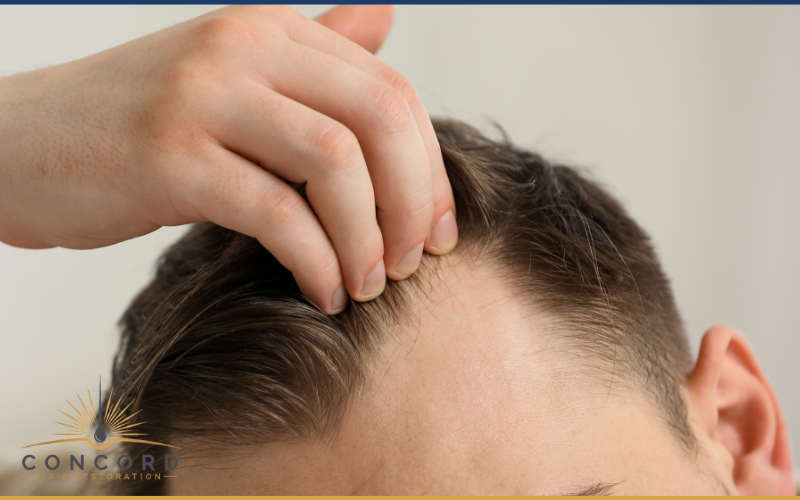
One of the most stressful moments after a hair transplant often occurs a few weeks after surgery.
Patients may notice shedding, temporary thinning, or changes that make them wonder:
“Did my hair transplant fail?”
Fortunately, in most cases, the answer is no.
Hair restoration follows a very predictable healing process, and many of the changes patients experience are actually normal parts of recovery.
If you’re researching a Hair Transplant Los Angeles understanding the normal timeline can help reduce unnecessary anxiety.
Hair Follicles Go Through Normal Cycles
After transplantation, hair follicles temporarily enter a resting phase.
This means the visible hair often sheds before new growth begins.
Although this surprises many patients, it’s actually an expected part of the healing process.
The follicle remains alive beneath the skin while preparing to produce new hair.
Shedding Is Usually a Good Sign
Temporary shedding is often called shock loss.
The transplanted hair shafts fall out, but the follicles themselves remain intact.
Most patients begin noticing new growth several months later as the follicles re-enter the active growth phase.
Healing Happens Below the Surface
One reason patients become concerned is that they judge progress by what they can see.
However, much of the healing process occurs underneath the skin.
During the first several months:
- Blood supply improves
- Follicles stabilize
- Healing continues
- New hair begins developing
These changes aren’t immediately visible.
Results Take Time
Hair restoration is one of the few cosmetic procedures where patience is essential.
While every patient heals differently, many people notice:
- Early healing during the first few weeks
- Initial growth around three to four months
- Significant improvement around six months
- Continued thickening through nine to twelve months
Because hair naturally grows in cycles, improvements often occur gradually rather than all at once.
When Should Patients Be Concerned?
Although temporary shedding is expected, patients should always communicate with their physician if they have questions during recovery.
Follow-up appointments allow the physician to monitor healing, answer concerns, and ensure recovery is progressing as expected.
Why Following Post-Procedure Instructions Matters
Proper aftercare supports healing.
Patients should carefully follow instructions regarding:
- Hair washing
- Physical activity
- Sun exposure
- Sleeping position
- Follow-up visits
Good aftercare helps create the best possible environment for transplanted follicles.
Long-Term Success Depends on Planning
The best outcomes don’t happen because of a single day of surgery.
Successful hair restoration begins with:
- Careful patient selection
- Personalized planning
- Natural hairline design
- Strategic graft placement
- Donor preservation
- Proper healing
These elements work together to create natural-looking, lasting results.
Choosing an Experienced Hair Restoration Physician
Patients researching Hair Restoration Los Angeles should understand that recovery is a process—not an event.
Working with an experienced physician helps ensure that normal healing milestones are explained clearly before surgery so patients know what to expect throughout recovery.
Conclusion
Hair transplants rarely “fail overnight.”
More often, patients are simply experiencing the normal stages of healing and hair growth.
Understanding the recovery timeline, maintaining realistic expectations, and working closely with an experienced physician can make the entire process much less stressful while helping patients enjoy natural-looking results over the months ahead.
Frequently Asked Questions
Is it normal for transplanted hair to shed?
Yes. Temporary shedding is a normal part of the hair transplant recovery process and usually occurs within the first few weeks after surgery.
Does shedding mean my hair transplant failed?
No. In most cases, shedding affects only the hair shafts while the transplanted follicles remain healthy beneath the skin.
When does new hair start growing?
Many patients begin noticing new growth around three to four months after surgery, with continued improvement over the following several months.
How long does it take to see full results?
While every patient heals differently, many people see their final results between nine and twelve months after a hair transplant.
What should I do if I’m worried about my recovery?
If you have concerns during healing, contact your physician so your progress can be evaluated and any questions can be answered.