
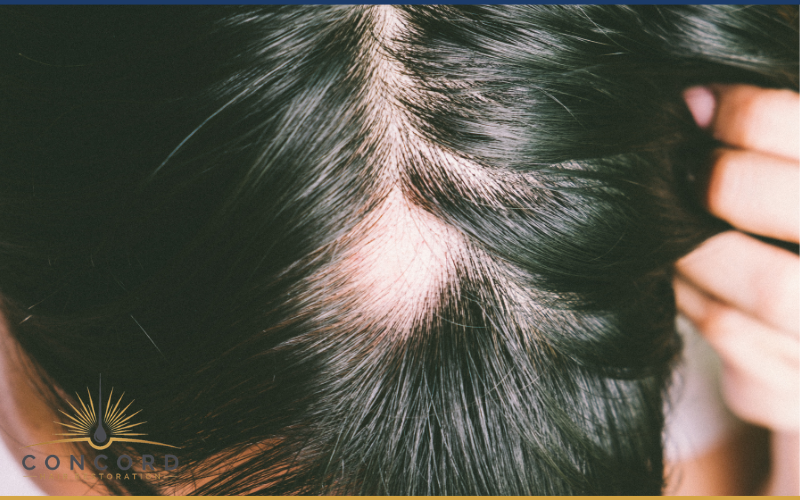
Traction alopecia is one of the most emotionally frustrating forms of hair loss—especially because it often affects the edges, temples, and hairline, areas that frame the face and are hard to hide.
For many people in Los Angeles, traction alopecia develops gradually from years of styling practices rather than genetics. The good news is that hair restoration may be possible, but success depends on timing, follicle health, and careful planning.
This guide explains what traction alopecia is, when hair transplant can help, and when other approaches may be more appropriate.
What Is Traction Alopecia?
Traction alopecia is hair loss caused by repeated tension on the hair follicles over time. Unlike genetic hair loss, this condition is mechanical rather than hormonal.
Common contributing factors include:
- Tight ponytails, buns, or braids
- Weaves, extensions, or wigs worn with tension
- Frequent slick-back styles
- Chemical treatments combined with tension
- Long-term styling habits beginning at a young age
The hairline and temples are often affected first because follicles in these areas are more delicate.
Early vs Long-Standing Traction Alopecia
One of the most important factors in treatment planning is how long the traction has been occurring.
Early-Stage Traction Alopecia
- Follicles are stressed but still alive
- Hair may be thinner, shorter, or slower growing
- Scalp may feel tender or irritated
- Non-surgical treatments may help stabilize loss
Long-Standing Traction Alopecia
- Follicles may be permanently damaged
- Areas may appear shiny or smooth
- Hair does not regrow even after stopping tight styles
- Surgical restoration may be the only option
This distinction matters greatly when evaluating candidacy.
Can a Hair Transplant Restore Edges and Temples?
Yes—when follicles are no longer producing hair, a hair transplant may be an effective solution, particularly for edge and temple restoration.
Hair transplant for traction alopecia focuses on:
- Rebuilding a natural hairline
- Restoring density at the temples
- Creating a soft, age-appropriate frame for the face
- Blending transplanted hair with existing growth
Because these areas are highly visible, design and direction matter just as much as graft survival.
Who Is a Good Candidate for Traction Alopecia Hair Transplant?
Candidacy depends on several factors, including:
- Whether the traction has stopped
- Degree of follicle damage
- Donor hair quality
- Skin health in the affected area
- Long-term styling habits moving forward
A transplant is most successful when tension-causing styles are discontinued permanently. Without that change, even transplanted hair can be put at risk.
Why Edge Restoration Requires Specialized Planning
Edge and temple restoration is not the same as restoring the crown or scalp.
It requires:
- Conservative hairline placement
- Fine graft selection
- Precise angulation and direction
- Respect for facial symmetry and aging
This is why traction alopecia restoration should be approached cautiously and individually—especially in patients seeking natural, undetectable results.
Consultation Matters More Than Ever
Because traction alopecia can look similar to other forms of hair loss, proper diagnosis is critical.
During a consultation, evaluation typically includes:
- Scalp and follicle assessment
- Review of styling history
- Determination of follicle viability
- Donor hair analysis
- Discussion of realistic goals
At our Los Angeles clinic, consultations are used to determine whether hair transplant is appropriate for traction alopecia and how edge restoration should be planned for long-term success.
What Results Can You Expect?
When candidacy is appropriate and planning is done carefully, results may include:
- Natural-looking edge restoration
- Improved hairline symmetry
- Permanent regrowth in previously bare areas
- Increased confidence with styling flexibility
Results develop gradually, and patience is essential—but for many patients, restoration can be life-changing.
Learn Whether Hair Restoration Is Right for You
Every case of traction alopecia is unique, which is why a personalized evaluation is essential before recommending treatment. If you’re considering a hair transplant in Los Angeles, an experienced physician will assess your follicle health, donor hair quality, hairline design, and long-term goals to determine whether surgical restoration is the right option. Visit our comprehensive Hair Transplant Los Angeles page to learn more about candidacy, advanced FUE hair restoration, the consultation process, recovery, and how Concord Hair Restoration develops customized treatment plans focused on natural-looking, lasting results.
Traction alopecia affects every patient differently, and the best treatment plan begins with an accurate diagnosis. Understanding the cause of your hair loss, the health of your remaining follicles, and your long-term styling goals allows your physician to recommend an approach that restores your hairline while preserving a natural appearance for years to come.
FAQs: Traction Alopecia Hair Transplant in Los Angeles
What causes traction alopecia?
Traction alopecia is caused by repeated tension on hair follicles from tight hairstyles, extensions, or styling practices over time.
Is traction alopecia permanent?
It can be. Early stages may be reversible, but long-standing traction alopecia can permanently damage follicles.
Can hair grow back naturally after traction alopecia?
If follicles are still alive, hair may regrow after tension is eliminated. If follicles are damaged, regrowth may not occur without intervention.
Can a hair transplant restore edges lost from traction alopecia?
Yes, in many cases. Hair transplant can restore edges and temples when follicles are no longer producing hair and candidacy is appropriate.
Is traction alopecia more common in women?
It is more commonly seen in women, particularly those with long-term tension-based styling histories, but it can affect anyone.
How do I know if I’m a candidate?
A professional evaluation is the best way to determine follicle viability, donor hair quality, and the safest treatment plan.