If you’re considering a hair transplant, you’re probably asking one important question:
“Will it actually look natural?”
It’s a valid concern. Many people still picture the obvious “hair plugs” that were common decades ago. Fortunately, hair restoration has advanced significantly, and today’s procedures are designed to recreate the way hair naturally grows.
When performed by an experienced physician using modern techniques, a hair transplant can restore thinning areas in a way that blends with your existing hair, complements your facial features, and ages naturally over time.
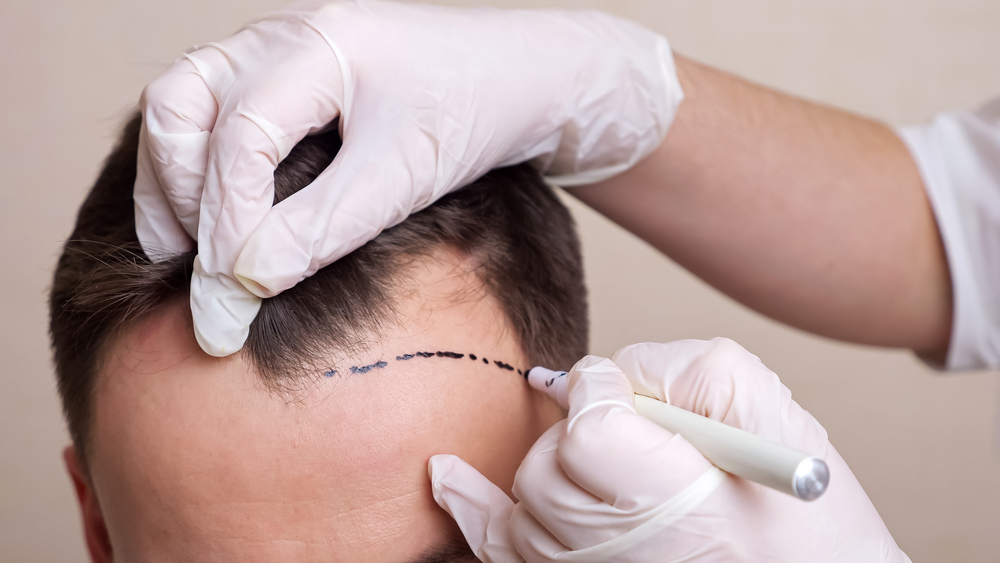
The key isn’t simply moving hair follicles. Natural-looking results require thoughtful planning, artistic hairline design, careful graft placement, and a personalized treatment plan.
Quick Answer
Yes. Modern hair transplants can look extremely natural when performed by an experienced physician. The most successful results depend on proper hairline design, strategic graft placement, responsible donor management, and realistic expectations—not simply transplanting the highest number of grafts.
Why Older Hair Transplants Sometimes Look Unnatural
Many concerns about hair transplants come from procedures performed years ago.
Earlier techniques often transplanted much larger grafts that contained multiple hairs. These created the well-known “plug” appearance that many people still associate with hair restoration.
Some common problems included:
- Straight hairlines
- Hair growing in obvious rows
- Poor transitions between transplanted and existing hair
- Uneven density
- Large visible grafts
Fortunately, today’s procedures use much smaller, naturally occurring follicular units that better replicate natural hair growth.
Modern Hair Restoration Has Changed Dramatically
Today’s procedures focus on recreating natural growth patterns rather than simply filling bald areas.
One of the most commonly performed techniques is Follicular Unit Extraction (FUE).
Instead of removing large sections of hair, FUE harvests individual follicular units containing one to four hairs. These grafts can then be carefully placed to recreate natural density, direction, and hairline irregularities.
Many patients also appreciate that FUE avoids the linear donor scar associated with traditional strip harvesting (FUT).
Learn more:
What Is Follicular Unit Extraction (FUE)?
You can also compare both procedures here:
FUE vs. FUT Hair Transplants
https://concordhairrestoration.com/fue-vs-fut/
Natural Hairlines Matter More Than High Graft Counts
Many patients focus on one number:
“How many grafts do I need?”
While graft count is certainly important, it isn’t what determines whether your transplant looks natural.
An experienced physician considers much more, including:
- Facial proportions
- Hair direction
- Hair texture
- Hair caliber
- Existing density
- Age
- Future hair loss
Rather than creating a perfectly straight hairline, modern hair restoration uses subtle irregularities that mimic the way hair naturally grows.
The result is often a softer, more believable appearance.
Learn more:
Why Natural Hairlines Matter More Than Hair Count
Hair Direction and Placement Make a Difference
Every hair on your scalp grows at a unique angle.
Hair near the temples grows differently than hair at the crown. Hair at the frontal hairline grows differently than hair toward the back of the scalp.
During a hair transplant, every follicular unit must be positioned to match these natural growth patterns.
Even small differences in angle or direction can affect how realistic the final result appears.
This level of precision is one reason physician experience remains one of the biggest factors influencing the outcome of a hair transplant.
Density Requires Careful Planning
A thicker hairline isn’t always a better hairline.
Natural density comes from strategic placement rather than simply transplanting the maximum number of grafts.
An experienced physician carefully decides:
- Where density should be concentrated
- Where softer transitions should occur
- How transplanted hair will blend with existing hair
- How much donor hair should be preserved for the future
This conservative approach often produces more balanced, longer-lasting results.
Learn more:
Hair Transplant Density Explained
https://concordhairrestoration.com/hair-transplant-density-explained/
Responsible Donor Management Protects Future Options
Every patient has a finite amount of donor hair.
Removing too many follicles during one procedure can reduce density in the donor area and limit treatment options later.
Responsible donor management focuses on preserving healthy follicles while creating natural-looking coverage.
Patients experiencing progressive hair loss often benefit from preserving donor hair in case future procedures become appropriate.
Learn more:
Donor Area Management: Avoiding Overharvesting
Healing Is Part of the Process
Immediately after surgery, your scalp will heal through several normal stages.
These may include:
- Mild redness
- Small scabs
- Temporary swelling
- Shock shedding
- Gradual new growth
Many patients begin noticing new hair growth after three to four months, while final results continue developing over approximately 12 to 18 months.
Patience is an important part of achieving the final outcome.
Learn more:
Hair Transplant Recovery Timeline
Will Other People Know You Had a Hair Transplant?
One of the most common concerns patients have is whether friends, family, or coworkers will notice.
When modern techniques are combined with thoughtful planning, most people simply notice that you look healthier or younger.
The best hair transplants don’t attract attention—they blend naturally with your existing hair and facial features.
Physician Perspective
“The goal of hair restoration isn’t simply to transplant follicles. It’s to recreate the way hair naturally grows while preserving options for the future. Every treatment plan should be individualized so the results continue looking natural for years to come.”
— Dr. Ben Mousavi
Choosing the Right Hair Restoration Physician
Technology alone doesn’t create excellent results.
Your physician should evaluate:
- Your pattern of hair loss
- Donor hair availability
- Hair characteristics
- Facial proportions
- Long-term goals
- Future progression of hair loss
A personalized treatment plan helps ensure your transplant continues looking natural as you age.
Learn more:
Things to Know Before Getting a Hair Transplant
Natural Results Begin With a Personalized Treatment Plan
Today’s hair transplants are capable of producing remarkably natural-looking results, but success depends on much more than the procedure itself.
Careful planning, physician experience, artistic hairline design, strategic graft placement, and responsible donor management all contribute to long-lasting outcomes.
If you’re considering hair restoration, the best first step is meeting with an experienced physician who can evaluate your individual hair loss pattern and recommend the treatment approach that’s right for you.
Learn More About Hair Restoration in Los Angeles
At Concord Hair Restoration, Dr. Ben Mousavi creates personalized treatment plans based on each patient’s goals, donor supply, facial features, and long-term expectations. Every procedure is designed with the goal of producing natural-looking, lasting results.
Learn more about our approach to hair restoration:
Frequently Asked Questions
Do hair transplants look natural today?
Yes. Modern FUE hair transplants can produce highly natural-looking results when performed by an experienced physician using careful planning and individualized treatment.
Why did older hair transplants look fake?
Older procedures often used much larger grafts that created a plug-like appearance. Modern follicular unit transplantation recreates the way hair naturally grows.
What makes a hair transplant look natural?
Natural-looking results depend on hairline design, graft placement, donor management, physician experience, and realistic treatment planning.
Can people tell you’ve had a hair transplant?
In many cases, no. Well-planned hair transplants blend with existing hair so naturally that people often notice an improved appearance without realizing a procedure was performed.
Does FUE look more natural than FUT?
Both procedures can produce excellent results when performed correctly. FUE is often preferred because it harvests individual follicular units and avoids a linear donor scar.