Medically reviewed by Dr. Ben Mousavi, MD
Hair Restoration Surgeon – Los Angeles & San Diego
Hair restoration is never one-size-fits-all.
Different hair textures, curl patterns, follicle structures, and hairline characteristics require specialized planning and surgical precision to achieve natural-looking results.
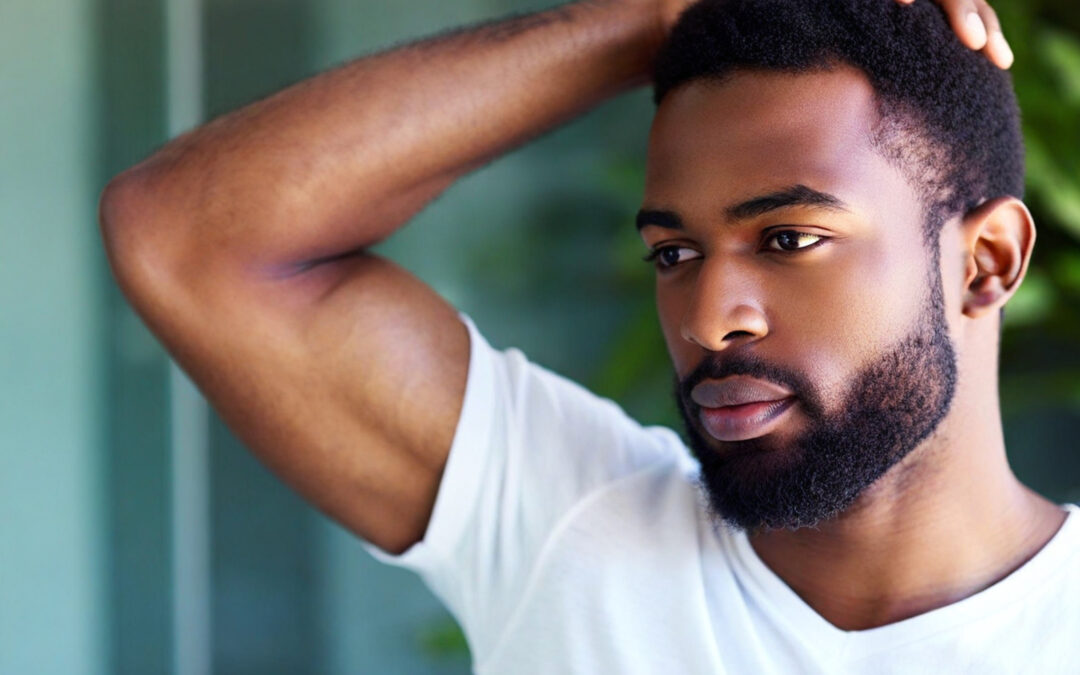
Men’s African American Hair Transplant
At Concord Hair Restoration, we understand that ethnic hair transplants involve unique considerations that can significantly affect graft extraction, hairline design, healing, and long-term appearance.
Whether you are seeking restoration for African American, Asian, Latino, or other textured hair types, personalized treatment planning plays an important role in achieving results that look natural and complement your individual features.
Why Ethnic Hair Restoration Requires Specialized Expertise
Hair characteristics can vary significantly between individuals and ethnic backgrounds.
These differences may include:
- curl pattern
- follicle curvature
- strand thickness
- scalp visibility
- hair density
- natural hairline shape
- skin tone considerations
Modern FUE hair restoration requires careful adaptation to these differences in order to produce natural and aesthetically balanced results.
At Concord Hair Restoration, we focus on tailoring hair restoration procedures to the patient’s specific hair characteristics rather than using a generalized approach.
Edge hair transplants for African American hair
African American Hair Transplants
African American hair restoration often requires specialized understanding of:
- tightly curled follicles
- curved follicle structure
- traction alopecia
- textured hairline design
- donor management
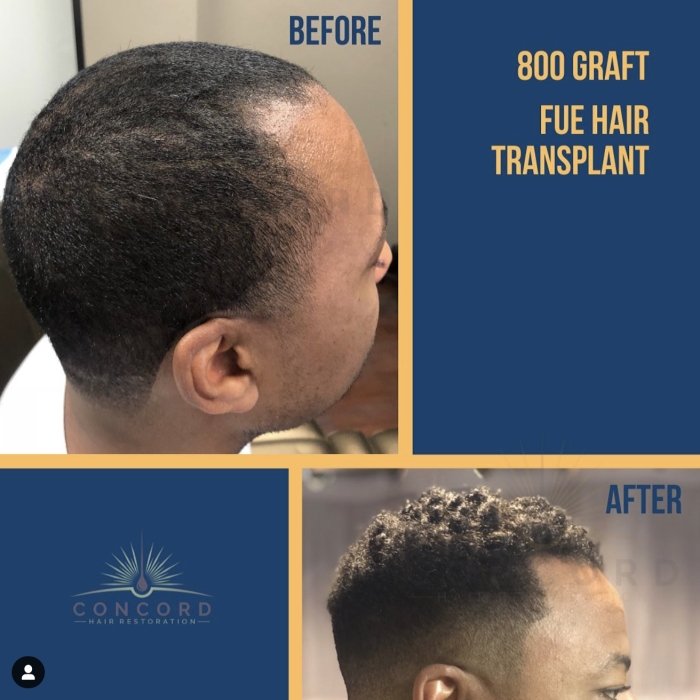
While African American hair can appear very dense visually, the actual follicle structure often requires careful extraction techniques during FUE procedures.
Many African American patients also seek restoration for:
- thinning edges
- traction alopecia
- temple recession
- hairline thinning
Natural-looking hairline artistry is especially important in textured hair restoration because improper angles or density transitions can appear unnatural more easily.
Patients seeking edge hair transplant restoration for thinning edges and traction alopecia often benefit from highly customized treatment planning focused on preserving natural curl patterns and soft hairline framing.

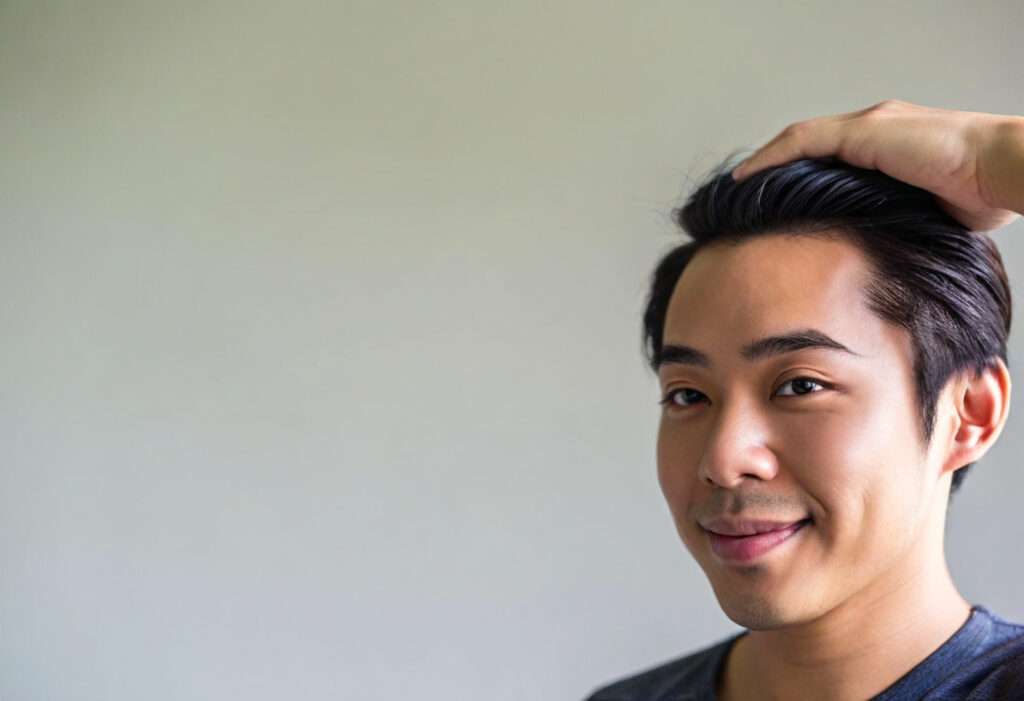
Asian Hair Transplants
Asian hair restoration presents its own unique considerations.
Asian hair is often:
- straighter
- thicker in diameter
- darker in color
- highly visible against the scalp
Because of this contrast, graft angulation and density placement become extremely important during transplantation.
Hairline design preferences may also vary depending on the patient’s facial structure and aesthetic goals.
Careful graft placement helps create:
- softer transitions
- natural flow
- balanced density
- realistic appearance
Latino Hair Transplants
Latino hair restoration can vary significantly because of the diversity of hair textures within the Latino community.
Some patients may have:
- straight hair
- wavy hair
- curly hair
- mixed-density characteristics
Because of this variability, personalized evaluation is extremely important.
At Concord Hair Restoration, treatment planning considers:
- individual curl pattern
- density
- scalp visibility
- hairline shape
- long-term hair loss progression
rather than assuming a single treatment strategy fits all patients.
Why Hairline Design Matters in Ethnic Hair Restoration
One of the most important parts of any hair transplant procedure is hairline artistry.
Hairlines vary significantly across different ethnic backgrounds and facial structures.
Natural-looking results often depend on:
- age-appropriate design
- density transitions
- proper graft angles
- facial symmetry
- texture blending
Overly aggressive or unnatural hairlines can become more noticeable over time, especially when hair texture and density patterns are not carefully considered.
Modern FUE hair restoration increasingly focuses on subtle, realistic enhancement rather than artificial density alone.
Specialized FUE Techniques for Textured Hair
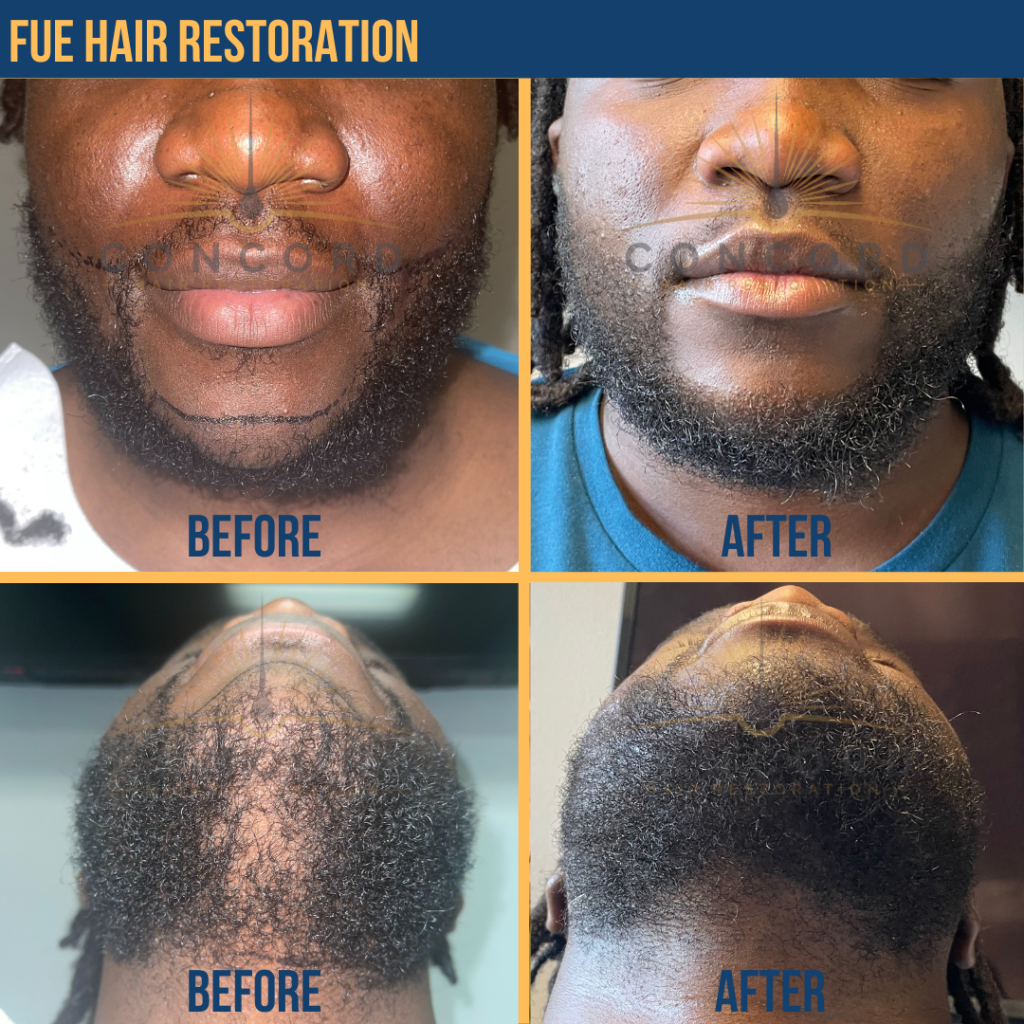
FUE (Follicular Unit Extraction) remains one of the most advanced hair restoration techniques available today.
However, textured and curly hair often require:
- modified extraction techniques
- careful punch selection
- advanced graft handling
- customized implantation angles
This helps reduce:
- follicle damage
- graft transection
- visible scarring
- unnatural growth patterns
Specialized experience with textured hair can play a major role in long-term cosmetic outcomes.
Why More Los Angeles Patients Are Seeking Personalized Hair Restoration
Many patients in Los Angeles are increasingly seeking:
- natural-looking results
- culturally aware treatment
- minimally invasive procedures
- refined hairline artistry
- personalized consultations
Patients often want restoration that:
- complements their natural appearance
- respects their hair texture
- blends seamlessly
- remains age-appropriate over time
Patients exploring hair transplant consultations in Los Angeles frequently prioritize surgeons experienced in treating diverse hair types and advanced FUE restoration techniques.
Recovery and Healing Considerations
Recovery varies depending on:
- procedure size
- graft count
- scalp sensitivity
- hair texture
- healing response
Most patients can expect:
- temporary redness
- mild scabbing
- temporary shedding before regrowth
- gradual improvement over several months
Careful post-procedure instructions help support healthy healing and natural long-term growth.
Final Thoughts
Ethnic hair transplants require specialized understanding of textured hair, follicle structure, natural hairline design, and individualized treatment planning.
Whether restoring African American, Asian, Latino, or other textured hair types, modern FUE techniques can provide highly natural-looking results when performed with careful precision and long-term planning.
At Concord Hair Restoration, our goal is to create personalized restoration strategies that enhance confidence while preserving the natural characteristics that make each patient unique.
FAQs
Are ethnic hair transplants different from standard hair transplants?
Yes. Different hair textures and follicle structures often require specialized extraction techniques, graft handling, and hairline design approaches.
Why does African American hair require specialized FUE techniques?
African American hair follicles are often curved beneath the scalp, requiring careful extraction methods to reduce graft damage and preserve natural curl patterns.
Can textured hair achieve natural-looking transplant results?
Yes. Modern FUE techniques can create highly natural-looking results when graft placement, density, and hairline design are carefully customized.
Does traction alopecia affect hair transplant planning?
Yes. Traction alopecia can influence donor management, scalp health, and long-term restoration planning.
Can ethnic hair transplants be performed in Los Angeles?
Yes. Concord Hair Restoration offers personalized consultations and advanced FUE hair restoration treatments in Los Angeles for diverse hair types.