
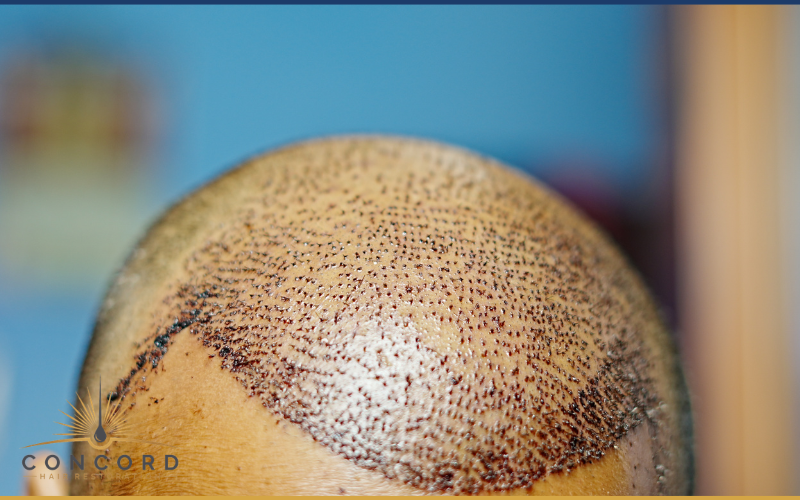
One of the most common questions patients ask before booking a hair transplant is: How many grafts will I need?
The answer isn’t the same for everyone. It depends on your level of hair loss, your desired results, and the quality of your donor hair. In this guide, we’ll break down how graft counts are determined and what you can expect in Los Angeles.
What Is a Hair Graft?
A graft is a small unit of tissue that contains 1–4 hair follicles.
During a hair transplant procedure, these grafts are:
- Extracted from the donor area (typically the back of the scalp)
- Carefully placed in areas experiencing hair loss
The number of grafts used directly affects coverage and density.
Average Graft Needs Based on Hair Loss
While every case is unique, here are general estimates:
Hairline Restoration
- 1,000 – 1,500 grafts
Frontal Hairline + Mid-Scalp
- 1,500 – 2,500 grafts
Extensive Hair Loss (Crown + Top)
- 2,500 – 4,000+ grafts
These ranges can vary based on individual goals and hair characteristics.
How Hair Loss Level Affects Graft Count
Hair loss is often measured using the Norwood Scale, which ranges from mild recession to advanced baldness.
- Early stages → fewer grafts needed
- Moderate stages → more strategic placement
- Advanced stages → higher graft count and long-term planning
The goal is not just coverage, but a natural and balanced result.
Factors That Influence How Many Grafts You Need
1. Donor Hair Quality
Thicker, denser hair may require fewer grafts to achieve the same look.
2. Hair Color and Texture
Curly or coarse hair often provides better coverage than fine, straight hair.
3. Desired Density
Some patients prefer a fuller, denser look, which requires more grafts.
4. Hairline Design
A lower or more defined hairline will typically require additional grafts.
5. Long-Term Planning
Hair loss may continue over time, so planning for future changes is essential.
Why Graft Count Isn’t Everything
It’s important to understand that more grafts doesn’t always mean better results.
What matters most is:
- Strategic placement
- Natural hairline design
- Preserving the donor area
- Creating long-term balance
Overharvesting or placing too many grafts too aggressively can lead to unnatural results.
What to Expect During a Consultation
During a consultation, a provider will evaluate:
- Your current hair loss pattern
- Donor area density
- Hair characteristics
- Your long-term goals
They will then recommend a graft count based on what will look natural and sustainable.
Learn How Graft Planning Fits Into Your Overall Treatment Plan
Determining the right number of grafts is only one part of planning a successful hair transplant in Los Angeles. An experienced physician will also evaluate your donor area, hair loss pattern, long-term goals, and hairline design to create a treatment plan that looks natural today and continues to age well over time. Visit our comprehensive Hair Transplant Los Angeles page to learn more about the consultation process, FUE hair restoration, recovery, and the personalized approach Concord Hair Restoration uses to achieve lasting, natural-looking results.
Can You Get Multiple Procedures?
Yes, some patients choose to have multiple sessions over time.
This approach can:
- Preserve donor hair
- Allow gradual improvement
- Adapt to future hair loss
A long-term plan is often more important than a single procedure.
Final Thoughts
So, how many grafts do you need for a hair transplant in Los Angeles?
The answer depends on your unique situation. While general estimates can help guide expectations, the most accurate way to determine your graft count is through a personalized consultation.
Focusing on natural results and long-term planning will always lead to better outcomes than simply aiming for the highest graft number.
Frequently Asked Questions
How many grafts do I need for a full hair transplant?
Some patients need 2,500–4,000+ grafts depending on hair loss severity.
Is 2,000 grafts enough?
For moderate hair loss or hairline restoration, 2,000 grafts can provide significant improvement.
Does more grafts mean better results?
Not necessarily. Proper placement and design matter more than total graft count.
Can I run out of donor hair?
Yes, which is why donor area management is critical for long-term success.
How long does it take to implant grafts?
Most procedures take several hours, depending on the number of grafts.