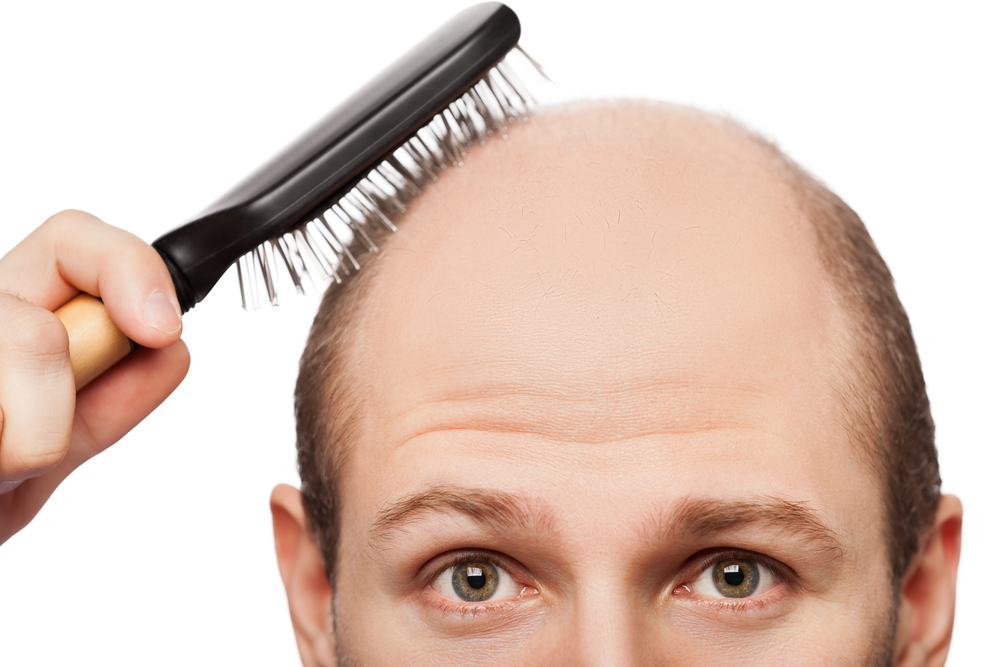
Hair loss can be caused by many factors, from genetics to stress. But one of the most overlooked causes is vitamin deficiency. If you’ve been wondering which vitamin deficiency causes hair loss, you’re not alone. Many of our patients at Concord Hair Restoration come to us after noticing thinning or shedding that seems linked to nutrition.
Let’s break down the most common vitamin deficiencies that can impact hair growth — and how to support your scalp health naturally and medically.
Can Losing Weight Cause Hair Loss?
How Vitamins Affect Hair Growth
Your hair follicles are among the most active cells in your body. They require a steady supply of nutrients to produce strong, healthy strands. When your body lacks key vitamins or minerals, those follicles may weaken, leading to brittle hair, thinning, or increased shedding.
Understanding which vitamin deficiency causes hair loss can help you take steps toward preventing it before it becomes noticeable.
The Most Common Vitamin Deficiencies Linked to Hair Loss
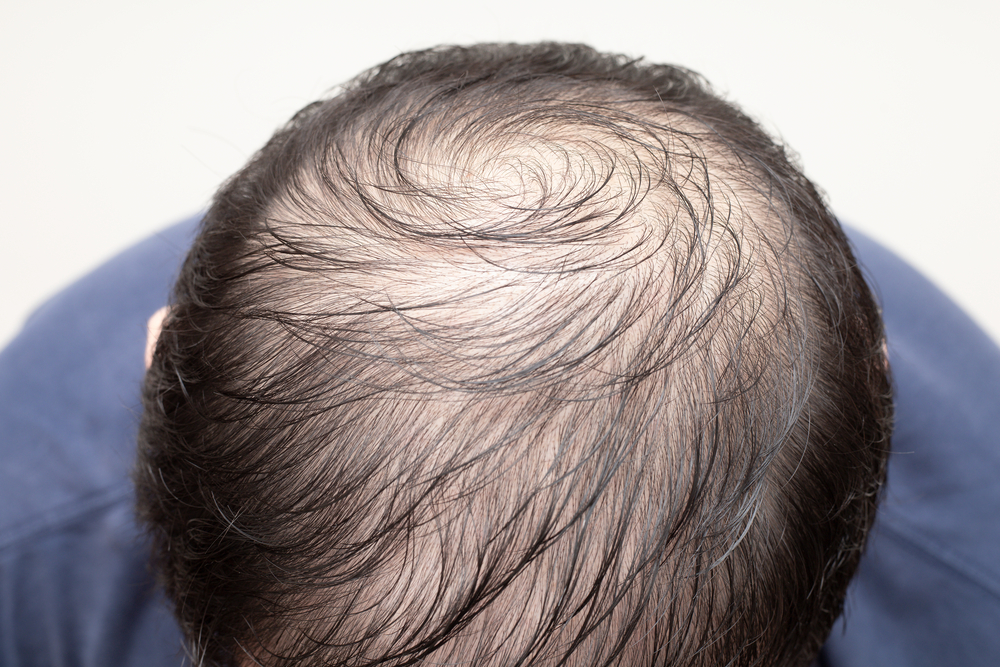
Here are the top nutrients that directly influence hair growth and health:
1. Vitamin D Deficiency
Vitamin D plays an essential role in stimulating new hair follicles. Low vitamin D levels can lead to dormant follicles that stop producing new hair.
Many people are deficient without realizing it, especially those who spend most of their time indoors.
2. Iron Deficiency
Iron supports oxygen delivery to hair follicles. A lack of it can cause diffuse thinning, especially in women. This type of shedding is known as telogen effluvium.
3. Biotin (Vitamin B7) Deficiency
Biotin helps the body convert nutrients into energy and supports keratin production which is the key protein that makes up hair. Though true biotin deficiency is rare, it can cause noticeable hair thinning.
4. Zinc Deficiency
Zinc helps with tissue growth and repair, including the hair follicles. When zinc levels are low, it can disrupt follicle function and slow regrowth.
5. Vitamin B12 Deficiency
B12 helps red blood cells carry oxygen to the scalp. Low levels can cause weakened strands and premature hair loss. Vegans and vegetarians are more likely to be B12 deficient since it’s mainly found in animal-based foods.
Recognizing the Signs of Vitamin-Related Hair Loss
When hair loss is connected to nutrient deficiency, you may notice:
- Gradual, diffuse thinning rather than distinct bald spots.
- Brittle or dull strands that break easily.
- Slower regrowth after shedding.
- Changes in nail strength or skin health (which often accompany vitamin issues).
If you’re unsure whether your hair loss is nutritional or genetic, Concord Hair Restoration can help identify the root cause through a detailed scalp analysis and medical evaluation.
How to Support Hair Growth Naturally
If you suspect vitamin-related hair loss, lifestyle changes can make a difference:
- Eat a balanced diet rich in protein, leafy greens, eggs, and lean meats.
- Spend time in natural sunlight or consider vitamin D supplementation.
- Take a comprehensive multivitamin if advised by a doctor.
- Reduce stress levels through sleep, hydration, and exercise.
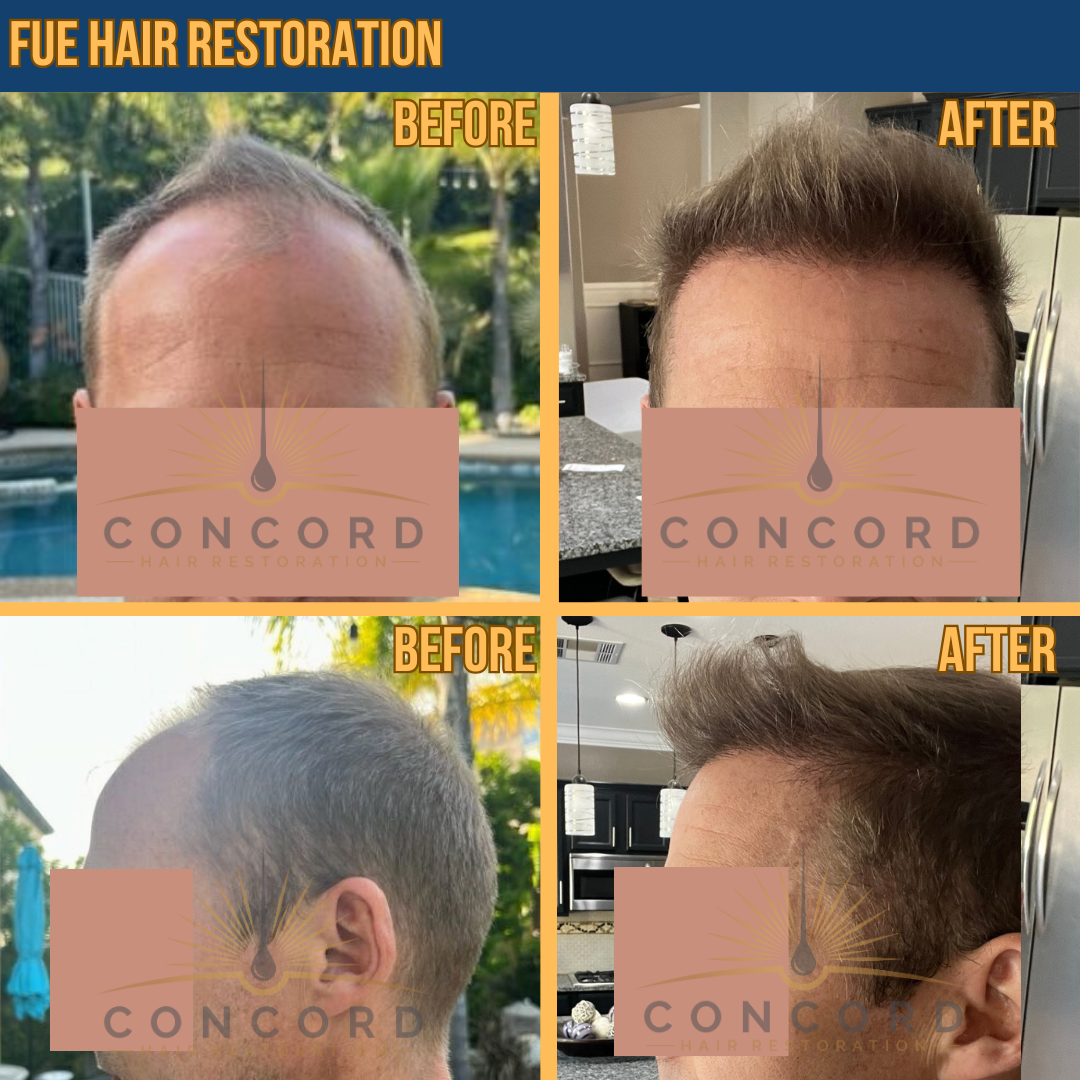
While proper nutrition is a foundation for hair health, severe or long-term hair loss often requires medical intervention. That’s where Concord Hair Restoration can help.
Professional Treatments for Restoring Hair
When vitamin deficiencies have already caused visible thinning, advanced treatments can help restore your natural density. At Concord Hair Restoration, we specialize in:
- FUE (Follicular Unit Extraction) – Individual follicles are transplanted for natural results and minimal scarring.
- Neograft Technology – Automated FUE that enhances accuracy and reduces downtime.
- Female Hair Restoration – Customized treatments for women experiencing hormonal or nutritional shedding.
- Eyebrow and Facial Hair Restoration – For patients seeking fuller facial features.
Each patient receives a personalized treatment plan based on their unique medical history, lifestyle, and goals.
When to See a Specialist
If you’ve already improved your diet but still notice excessive shedding, your hair loss might not be caused solely by vitamins. It could involve hormonal imbalance, genetics, or other medical conditions.
Our specialists can help determine whether your hair loss is reversible through supplementation or whether restoration treatments are needed.
Schedule a Consultation with Concord
If you’re wondering which vitamin deficiency causes hair loss and want to understand your specific situation, we’re here to help either in our Los Angeles or San Diego office.