
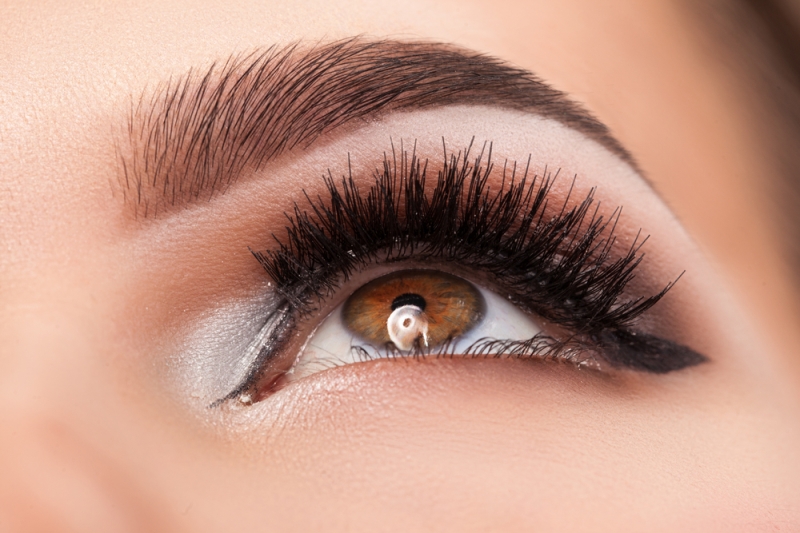
Over-plucking your eyebrows can seem harmless at first. A few extra hairs get removed, the brows become thinner, and before long you may notice areas that no longer seem to fill back in.
The good news is that many over-plucked eyebrows can grow back. But repeated plucking over a long period can sometimes traumatize the follicles enough that regrowth becomes limited. Cleveland Clinic notes that frequent plucking can damage eyebrow follicles and, in some cases, cause scarring that prevents certain hairs from returning.
If your eyebrows have remained thin, uneven or patchy despite giving them time to recover, an eyebrow hair transplant may be an option worth discussing.
At Concord Hair Restoration, eyebrow restoration is performed using hair follicles from the patient’s own scalp to help rebuild sparse areas and create a fuller, natural-looking brow.
Will Over-Plucked Eyebrows Grow Back?
Often, yes.
Eyebrow hairs grow in cycles, which means regrowth isn’t immediate after you stop plucking. It can take several months before you know how much natural hair is going to return.
Cleveland Clinic recommends giving over-plucked brows at least two to three months to begin recovering, noting that the eyebrow growth cycle generally lasts around three to four months.
The amount of regrowth can depend on factors such as:
- How frequently the eyebrows were plucked
- How many years the area was repeatedly tweezed or waxed
- Whether the follicles have been damaged
- Age
- Genetics
- Hormonal changes
- Nutritional issues
- Certain medical conditions
- Other causes of eyebrow hair loss
For someone who simply over-plucked their eyebrows once or twice, the follicles may recover normally.
Years of aggressive plucking can be different.
Can Plucking Permanently Damage Eyebrow Follicles?
It can.
Every time an eyebrow hair is plucked, the entire hair is pulled from the follicle. When this happens repeatedly, the follicle can experience ongoing trauma.
Most eyebrow hairs still have the ability to regrow after plucking. However, repeated trauma may eventually damage or scar some follicles enough that they stop producing visible hair.
This is one reason people who followed very thin eyebrow trends years ago may find that their brows never fully returned afterward.
If only part of the eyebrow grows back, you may notice:
- Gaps within the brow
- Uneven density
- A missing brow tail
- Sparse areas near the arch
- One eyebrow appearing thinner than the other
- Difficulty creating your preferred shape without makeup
At that point, it may be useful to have the area evaluated rather than continuing to wait indefinitely for growth.
How Long Should You Wait for Over-Plucked Eyebrows to Grow Back?
Eyebrow growth requires patience.
You generally won’t know whether a follicle is still capable of producing healthy hair after only a few weeks.
A reasonable first step is to stop plucking the sparse areas and give the brows several months to recover.
If you still aren’t seeing meaningful regrowth after roughly four months, Cleveland Clinic recommends consulting a dermatologist, particularly because eyebrow thinning can sometimes have causes other than over-plucking.
That’s an important distinction.
Not every thin eyebrow is caused by tweezing.
What Else Can Cause Thin or Missing Eyebrows?
Eyebrow thinning can have several potential causes.
In addition to repeated plucking or waxing, brow hair may become sparse because of aging, scarring, certain forms of alopecia, underlying health conditions or other factors.
That means someone experiencing unexplained eyebrow loss should avoid assuming that cosmetic over-plucking is automatically the cause.
A medical evaluation may be appropriate when eyebrow loss:
- Occurs suddenly
- Continues to worsen
- Appears without a history of over-plucking
- Is accompanied by scalp hair loss
- Affects other areas of the body
- Is associated with skin changes or irritation
Determining the cause matters because an eyebrow transplant replaces missing hair—it does not treat an underlying condition responsible for ongoing hair loss.
What If My Eyebrows Don’t Grow Back?
If the eyebrow follicles have been permanently damaged and the hair does not return, cosmetic options include eyebrow pencils, powders, microblading and other temporary or semi-permanent techniques.
For patients looking for actual growing hair rather than cosmetic pigmentation, eyebrow transplantation is another option.
An eyebrow transplant relocates healthy hair follicles from a donor area—typically the scalp—to areas of the eyebrows that are thin or missing hair.
Unlike makeup or tattoo-based approaches, transplanted follicles can produce real hair.
Learn more about Concord Hair Restoration’s [FUE eyebrow hair transplant](/services/eyebrow-hair-transplant/) procedure.
How Does an Eyebrow Transplant Help Over-Plucked Brows?
Eyebrow transplantation can be particularly useful when repeated plucking has left permanent gaps but the surrounding eyebrow structure is still present.
Rather than rebuilding the entire eyebrow in every case, grafts can potentially be placed strategically into sparse areas.
The goal may be to:
- Restore missing sections of the brow
- Increase eyebrow density
- Fill gaps caused by over-plucking
- Improve symmetry between the eyebrows
- Rebuild a thin eyebrow tail
- Create a fuller overall shape
The treatment plan should be customized because eyebrow shape, facial proportions, existing brow hair and patient preferences vary considerably.
How Does FUE Eyebrow Transplantation Work?
Concord Hair Restoration uses the follicular unit extraction (FUE) approach for eyebrow restoration.
With FUE, donor follicles are removed individually from the scalp rather than through removal of a strip of scalp.
Those follicles are then prepared for placement within the eyebrow.
Eyebrow transplantation requires particular attention to hair direction and angle. Natural eyebrow hairs sit relatively close to the skin rather than growing straight outward, so graft placement plays an important role in the final appearance.
The American Society of Plastic Surgeons notes that eyebrow restoration requires careful attention to the angle of transplanted hairs because improperly positioned hairs can appear unnatural. American Society of Plastic Surgeons
This is one reason eyebrow transplantation is different from simply placing scalp grafts into an empty area.
Where Does the Donor Hair Come From?
Donor follicles used for eyebrow transplantation typically come from the scalp.
Individual hairs can then be selected and placed into the eyebrow according to the planned design.
Because those hairs originally came from the scalp, they may continue behaving more like scalp hair after transplantation.
That means an important part of eyebrow transplant ownership is regular trimming.
Cleveland Clinic and the American Society of Plastic Surgeons both note that transplanted scalp hair can continue growing longer than natural eyebrow hair and may need ongoing trimming.
Will an Eyebrow Transplant Look Natural?
Natural-looking eyebrow restoration depends heavily on planning and placement.
Eyebrows are surprisingly complex. Hair direction changes from the inner brow through the arch and toward the tail.
Creating natural-looking results requires consideration of:
- The existing eyebrow shape
- Facial proportions
- Hair direction
- Graft angle
- Density
- Symmetry
- The patient’s preferred brow shape
- Existing natural hairs
The objective isn’t simply to transplant the greatest possible number of hairs.
It’s to place an appropriate number of follicles where they can blend naturally with the remaining eyebrow.
What Happens After an Eyebrow Transplant?
Patients should not expect to leave the procedure with their final result.
The transplanted area first needs to heal.
Some transplanted hairs normally shed during the weeks following the procedure. This does not necessarily mean the follicles have been lost. New hair can then begin appearing over the following months.
The appearance continues to change as the transplanted follicles progress through their normal growth cycles.
For a detailed look at recovery, growth and maintenance, read our [Eyebrow Transplant: Cost, Results Timeline, and What to Expect](/eyebrow-transplant-cost-results-timeline-and-what-to-expect/) guide.
Are Eyebrow Transplant Results Permanent?
Eyebrow transplantation is intended to provide a long-term solution because living hair follicles are transferred to the eyebrow area.
However, individual outcomes vary.
Not every graft is guaranteed to survive, and—as with other hair transplant procedures—the final result depends on factors including graft survival, healing and the individual patient’s characteristics. Hair transplantation also carries potential surgical risks, so expectations should be discussed during consultation.
That’s different from promising that every transplanted hair will grow indefinitely.
Who May Be a Good Candidate?
An eyebrow transplant may be worth considering when the eyebrows have remained persistently sparse and there is adequate donor hair available.
Potential candidates may include people with:
- Permanent thinning after years of over-plucking
- Naturally sparse eyebrows
- Gaps within otherwise healthy eyebrows
- Brow hair loss from certain scars or injuries
- Stable eyebrow loss where transplantation is considered appropriate
- A desire for actual growing eyebrow hair rather than relying entirely on cosmetics
An individual evaluation is important because not every form of eyebrow loss should immediately be treated with transplantation.
Over-Plucked Eyebrows vs. Naturally Thin Eyebrows
These two concerns can look similar but have different histories.
Someone with naturally thin brows may have always had low eyebrow density.
Someone with over-plucked eyebrows may remember having significantly fuller brows before years of shaping, tweezing or waxing.
That history can help during the consultation because it provides clues about the patient’s original eyebrow pattern and the areas where density has been lost.
Old photographs can sometimes be useful when discussing the eyebrow shape a patient once had or would like to recreate.
Should You Keep Plucking While Waiting for Regrowth?
If you’re trying to determine whether an over-plucked area can recover, continuously removing new hairs works against that goal.
Give the eyebrow time to grow.
New hairs may initially look irregular because different follicles can be in different stages of the growth cycle. That doesn’t necessarily mean the final regrowth pattern will remain uneven.
If you are unsure which hairs should be left alone, consider avoiding aggressive reshaping while assessing regrowth.
Eyebrow Transplant vs. Microblading
These treatments solve the appearance of sparse eyebrows in very different ways.
Microblading uses pigment to create the appearance of eyebrow hairs within the skin.
An eyebrow transplant moves actual hair follicles into the eyebrow.
Neither option is automatically right for everyone.
The choice depends on whether you want cosmetic pigmentation or actual growing hairs, your existing eyebrow condition, your willingness to maintain transplanted hair and whether you are an appropriate surgical candidate.
When Is It Time to Consider an Eyebrow Transplant?
You don’t need to rush into surgery simply because you’ve over-plucked your brows.
First, give the follicles a reasonable opportunity to recover.
If your eyebrows remain noticeably sparse after several months—and an evaluation indicates that the loss is stable—then transplantation may become one option to consider.
The key question isn’t simply:
“Can an eyebrow transplant make my brows thicker?”
It’s:
“Why aren’t my eyebrows growing, and is transplantation the right solution for that cause?”
That distinction leads to better treatment decisions.
Eyebrow Transplant Frequently Asked Questions
Will over-plucked eyebrows grow back?
Many over-plucked eyebrows do grow back. However, repeated plucking over a long period can damage some follicles and may lead to permanent thinning in certain areas.
How long does it take for eyebrows to grow back after plucking?
Eyebrow regrowth can take several months because eyebrow hairs have their own growth cycle. Cleveland Clinic recommends allowing at least two to three months before judging regrowth.
Can eyebrow follicles be permanently damaged from plucking?
Yes. Frequent trauma from repeated plucking may damage or scar follicles enough that some hairs no longer grow normally.
Can you transplant hair into an over-plucked eyebrow?
For appropriate candidates, hair follicles can be transplanted from a donor area of the scalp into sparse eyebrow areas.
Does transplanted eyebrow hair need to be trimmed?
Usually, yes. Because donor hairs generally come from the scalp, they can continue growing like scalp hair and may require periodic trimming.
How long does an eyebrow transplant take to grow?
Some initial transplanted hairs may shed after surgery. New growth develops gradually over the following months, and the appearance continues to mature with time. Cleveland Clinic
Explore Eyebrow Restoration at Concord Hair Restoration
If years of over-plucking have left your eyebrows sparse or uneven, you don’t necessarily have to rely on pencils and powders indefinitely.
Concord Hair Restoration offers FUE eyebrow transplantation for patients in the Los Angeles and San Diego areas.
A consultation can help determine why your eyebrows remain thin, whether transplantation may be appropriate, and how a personalized brow design could work with your existing hair and facial features.
Los Angeles: (818) 800-2002
San Diego: (619) 905-4247
[Learn more about eyebrow hair transplantation](/services/eyebrow-hair-transplant/) or schedule a consultation with Concord Hair Restoration.