
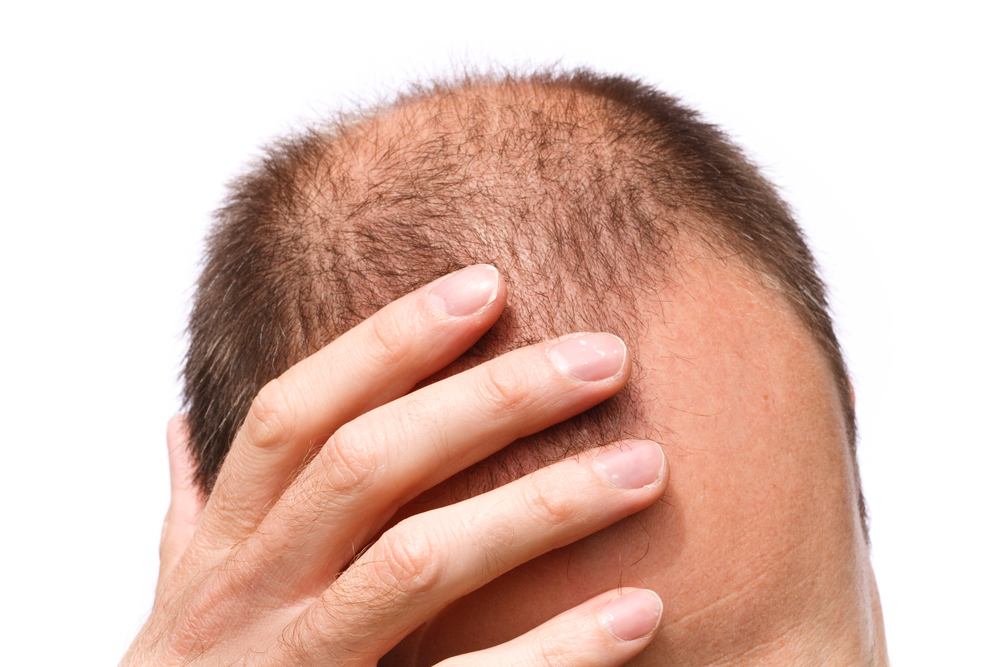
Going bald prematurely can be a very upsetting experience for many men. Now, new research suggests it may also increase your chances of developing an enlarged prostate or BPH — both conditions with something in common: DHT!
Many people suffer from androgenetic alopecia, the most common form of baldness. It has a hereditary component which progresses when not treated with proper care for their hair follicles’ sensitivity to DHT as well.
prostate.net
Dihydrotestosterone (DHT) plays a pivotal role in the process of hair miniaturization, a key factor in hair loss. When DHT binds to the dermal papilla, it disrupts the nutrient absorption essential for hair follicles, gradually leading to the thinning of hair strands.
This scenario unfolds when an enzyme called 5-alpha reductase transforms testosterone into DHT. The hormone produced from this reaction is responsible for the growth of prostate cells in men. With advancing age, as the levels of free testosterone naturally decline, the accumulation of DHT can contribute to conditions like Benign Prostate Hyperplasia (BPH).
Is going bald a risk factor for an enlarged prostate?
In the latest study, which appeared in the Journal of American Academy Dermatologists Investigators measured prostate volume and urinary flow among men who had been diagnosed with premature baldness as well as healthy controls. They found that those suffering from classical male pattern alopecia had higher levels of hormone (i.e., DHT) than non-balding sufferers or those living normal lives where there was no hair loss condition present on their body at all!
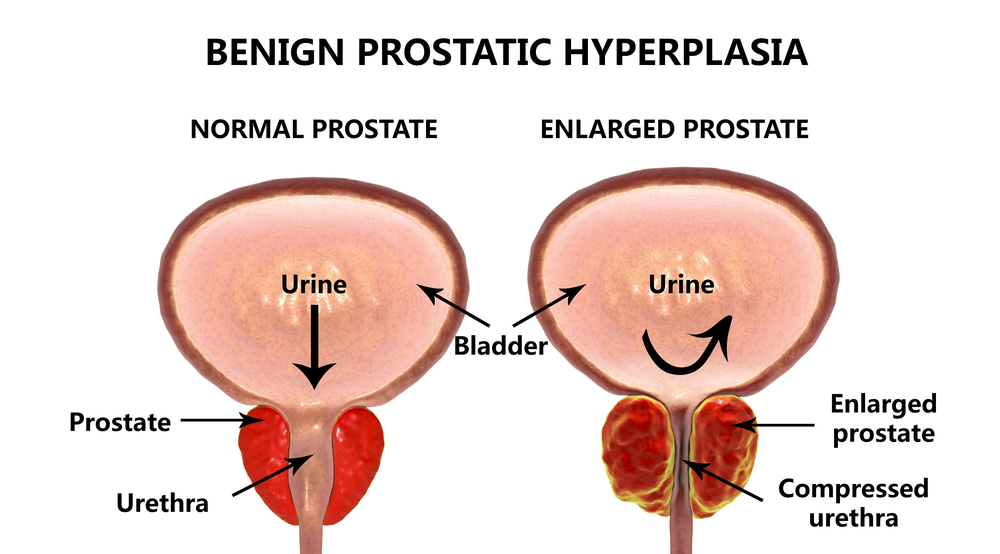
The results of this study indicate that DHT, a male hormone linked with premature balding and enlarged prostate may be responsible for both conditions.
Source: Arias-Santiago S et al. Androgenetic alopecia as an early marker of benign prostatic hyperplasia. Journal of the American Academy of Dermatology 2012 Mar; 66(3):401-8
Male AGA and BPH have been linked to growing evidence that men with a larger prostate size lose hair faster than those who don’t.
How do I lower my DHT levels?
If you’re noticing thinning or bald patches on your head, it’s time to speak with a medical professional. The sooner these symptoms are addressed the better chance there is at preventing irreversible damage and restoring healthy hair growth!
At Concord Hair Restoration, we are here to help!
In honor of Movember: Concord Hair Restoration is giving back to – you!
Enjoy men’s wellness labs for only $299!
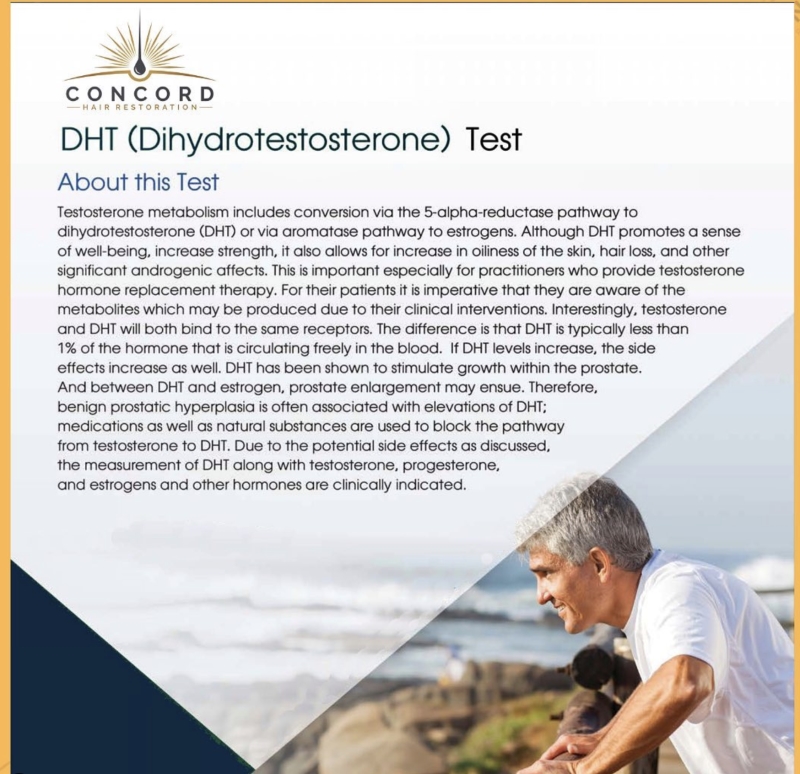
What are you waiting for?
❓ Frequently Asked Questions (FAQs) on Male Baldness and Prostate Health
Here are some common questions about the relationship between male pattern baldness (AGA) and Benign Prostatic Hyperplasia (BPH):
- What is the common link between male pattern baldness (AGA) and an enlarged prostate (BPH)? The common link is the male hormone Dihydrotestosterone (DHT). Elevated levels of DHT are responsible for both the miniaturization of hair follicles (leading to baldness) and the growth of prostate cells (contributing to BPH).
- How does DHT cause hair loss? An enzyme called 5-alpha reductase converts testosterone into DHT. When DHT binds to the dermal papilla of the hair follicle, it disrupts nutrient absorption, causing the hair strands to gradually thin and eventually stop growing, which is known as miniaturization.
- Does premature baldness increase the risk of developing BPH? According to the research cited in the article, studies suggest that men diagnosed with classical male pattern alopecia (premature baldness) had higher levels of DHT than non-balding men. This indicates that baldness may serve as an early risk factor or marker for conditions like BPH.
- What is BPH, and why does it occur with age? BPH stands for Benign Prostatic Hyperplasia, which is the non-cancerous enlargement of the prostate gland. It often occurs with advancing age because as the levels of free testosterone naturally decline, the accumulation of DHT contributes to the abnormal growth and accumulation of prostate cells.
- What should a man do if he is noticing thinning hair and is concerned about his prostate health? A man should speak with a medical professional as soon as symptoms are noticed. Since hair loss can be an early indicator of higher DHT levels, seeking medical guidance can help determine the underlying cause and allow for timely intervention to address both hair restoration and general men’s wellness.