
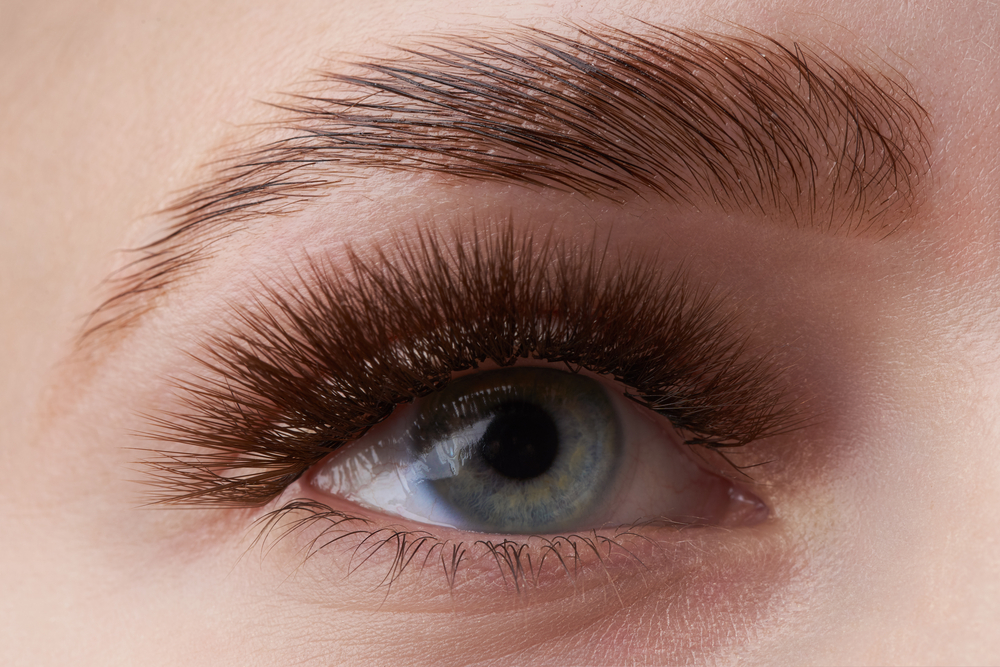
The face is often defined by the subtle curves of the eyebrows. When those brows are thin, patchy, or completely missing, it doesn’t just change your look—it can mess with how you feel about your own reflection. It’s not vanity; it’s just human. A lot of people rely on pencils, powders, and gels, but makeup is flat. It can’t recreate the little shadows and texture that real hair gives.
Selecting a skilled eyebrow transplant surgeon is the real first step toward getting your brows back in a way that doesn’t scream “procedure.” You need someone who understands the weirdly specific relationship between facial balance, hair direction, and what reads as natural at conversational distance. In this guide, we’ll look at how to spot a qualified specialist, what actually happens during surgery, and how to set realistic expectations for long-term results.
Understanding the Role of the Specialist
An eyebrow transplant surgeon is part microsurgeon, part artist. Honestly, the “artist” part is where a lot of clinics fall short. Brows aren’t like scalp work. They sit front and center on your face, they’re viewed up close, and the hairs grow at angles that are almost annoyingly specific.
The Art of Follicle Selection
The surgeon harvests individual follicles from a donor site (usually the back of the head) and places them into the brow area one by one. It’s slow, tiny work. It requires knowing how hair behaves differently on the face compared to the scalp. A top-tier eyebrow transplant surgeon spends serious time in the early stage mapping the donor area to find the finest hairs possible. They aren’t looking for the most convenient hairs; they’re looking for the right hairs.
Technical Requirements for Success
To get a high-quality result, the surgeon has to nail several specific factors:
- Choosing donor hair that matches facial hair texture as closely as possible.
- Using microscopic tools and careful handling to keep scarring minimal.
- Planning density so it doesn’t look packed-in or “blocky.”
- Ensuring you understand the long-term reality of transplanted follicles.
Design Matters for Natural Results
The design phase is where you either end up with brows that look like you, or brows that look like you borrowed someone else’s face. A strong eyebrow transplant surgeon won’t pull out a one-size stencil and call it a day. They’ll look at your forehead contours, your orbital rim, eye spacing, and how your face moves when you talk and smile.
Balancing Shape and Arch
If the arch is too high, you can look permanently startled. Too flat, and the whole upper face can feel heavy or tired. These are small differences with a massive effect. But shape is only half the story; direction is the make-or-break detail.
Mastering Hair Direction
Scalp hair generally grows outward in a pretty predictable way, but eyebrow hair doesn’t. It shifts direction across the brow: inner hairs tend to angle upward, the mid-brow hairs cross and layer, and the tail angles toward the ear. If that pattern isn’t recreated by your eyebrow transplant surgeon, people might not know what’s “off,” but they’ll feel it.
Caliber matching matters too. Hair from the back of the head is usually thicker than eyebrow hair. A professional at Concord Hair Restoration will typically select the finest donor hairs to mimic the softer look of natural brows. That choice alone can change how believable the final result is.
Critical Design Details
- Matching arch height to your natural orbital rim.
- Tapering density from the inner brow (medial) to the tail (lateral).
- Aligning the brow start with the bridge of the nose so things don’t drift too wide.
- Using single-hair grafts instead of multi-hair clusters.
Technique and Graft Placement Methods
The technical part is where the plan becomes visible. Most modern eyebrow procedures use either FUE (Follicular Unit Extraction) or FUT (Follicular Unit Transplantation). For brows, FUE is often preferred because it lets the eyebrow transplant surgeon selectively harvest individual fine hairs—exactly what you want for a softer look.
The Precision of FUE
With FUE, a small punch tool removes follicles one at a time, leaving tiny marks that usually heal as near-invisible dots. Placement is where skill really shows. Brows need extremely shallow angles. If the surgeon places grafts too steeply, the hair can grow straight out like little needles. That’s one of the most common signs of a poorly done eyebrow transplant.
Achieving the Correct Exit Angle
A natural result usually requires an exit angle around 15 degrees or less, so the hair lies flat against the skin. Depth matters too. Too deep and the follicle may struggle; too shallow and it won’t anchor properly. A specialist at Concord Hair Restoration aims to place each graft cleanly into the dermis with minimal trauma.
Placement Priorities
- Keeping a very low exit angle so hair doesn’t stand up.
- Using a tight, staggered pattern that resembles natural brow spacing.
- Using lateral slit techniques for better control over direction.
- Minimizing “out of body” time for grafts to protect survival rates.
Some clinics hand off key steps to technicians. While that’s common, for eyebrows, the eyebrow transplant surgeon should be deeply involved in placement. Brows are too unforgiving for an assembly-line approach.
Recovery and the Growth Timeline
After the procedure, recovery kicks in. The first few days usually include mild swelling and redness around the eyes. You’ll see tiny crusts around each graft. It’s normal, but don’t pick at them. Dislodging grafts early is one of the easiest ways to sabotage results. Most people can return to social life within about a week.
The Shedding Phase
Around 2-3 weeks after surgery, the transplanted hairs often fall out. It looks like you’re losing everything you just paid for, but you aren’t. The follicles stay under the skin and go into a resting phase before growing again. You’ll typically see new growth around 3-4 months, with more noticeable improvement between months 3-6. Final results take around 12 months.
Long-Term Maintenance
Maintenance is the long game. These transplanted hairs behave like scalp hair because that’s what they are. You’ll need to trim them regularly. Some patients report the growth rate slows a bit as the hair “settles,” but trimming is still part of life.
Consultation Checklist for Choosing Surgeons
Choosing an eyebrow transplant surgeon should come down to transparency, experience, and results you actually like. During your consultation, you should feel comfortable asking specifically about eyebrow work—not just “hair restoration” in general.
Evaluating the Portfolio
Ask for before-and-after photos focused on eyebrows. Don’t just look at the “after.” Look for consistency in direction, softness at the inner brow, and whether the tail tapers naturally. Try to see results in different lighting, because real life isn’t a ring light.
Identifying Red Flags
Be cautious of any clinic that promises perfect brows without discussing trimming, texture differences, or the possibility of needing a touch-up. A reputable eyebrow transplant surgeon will talk about limits, risks, and what can realistically be achieved with your donor hair.
Questions to Ask Your Specialist
- How many dedicated eyebrow procedures do you do each year?
- Do you personally place the grafts, or is placement delegated to technicians?
- What happens if growth looks uneven at 6 months?
- How do you control angle and depth for natural direction?
- What type of local anesthesia or sedation is used?
FAQ: Eyebrow Transplant Surgeon
Is it painful?
Most patients do fine. Local anesthetic is used for both the donor and recipient areas, so you’ll mainly feel pressure and some tugging. Afterward, discomfort is usually mild and typically manageable with over-the-counter pain relief.
How many grafts are needed?
A full restoration often takes 200-400 grafts per side, depending on your desired thickness and facial proportions.
Will the hair look different from my original brow hair?
It can. Donor hair from the back of the scalp is often thicker. That’s why graft selection and low-angle placement by a qualified eyebrow transplant surgeon matter so much—it helps the hair lie flatter and look less coarse.
Are results permanent?
Generally, yes. The donor hairs come from an area genetically resistant to balding, so they tend to last for a lifetime.