
Creatine is one of the most popular supplements among athletes, gym-goers, and fitness enthusiasts. It’s known for boosting muscle performance and strength — but many wonder: does creatine cause hair loss?
At Concord Hair Restoration, we help patients separate fact from fiction when it comes to hair health. Here’s what research actually says about creatine and its connection to hair thinning or loss.
Understanding What Creatine Does in the Body
Creatine is a natural compound found in muscle tissue. It helps regenerate energy during high-intensity exercise, improving strength, recovery, and endurance.
Most people take creatine monohydrate, which is generally safe when used correctly. However, some studies have hinted at a possible link between creatine and increased DHT (dihydrotestosterone) — a hormone known to contribute to male pattern baldness.
So the question remains: if DHT levels rise, does creatine cause hair loss in certain individuals? Let’s explore the evidence.
The Research Behind Creatine and Hair Loss
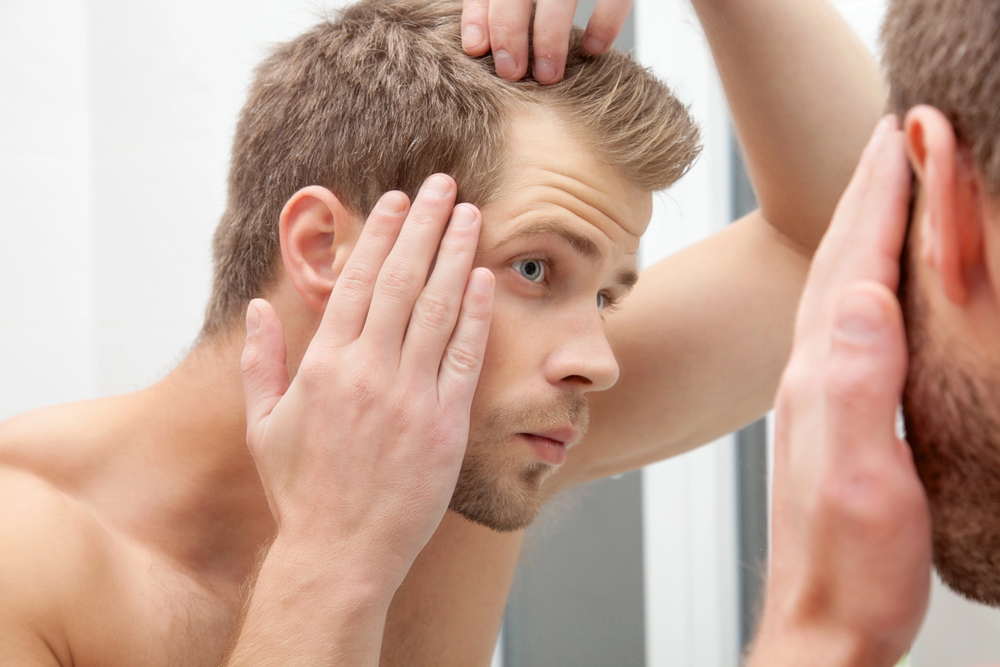
The concern largely stems from a 2009 study on college athletes, which found that participants taking creatine experienced a small increase in DHT levels. DHT can shrink hair follicles in genetically sensitive people, leading to hair thinning over time.
However, it’s important to note:
- The study was small and short-term.
- No participants actually lost hair during the research.
- No long-term studies have confirmed that creatine supplements directly cause hair loss.
In other words, there’s no solid scientific proof that creatine causes hair loss. Instead, creatine may slightly affect hormones in a way that could exacerbate hair loss if you’re already genetically predisposed.
Who Might Be More Susceptible
While creatine itself doesn’t “cause” baldness, certain individuals may notice shedding or thinning if they’re already at risk. This includes those with:
- A family history of male or female pattern hair loss
- Elevated natural DHT levels
- Hormonal sensitivity to androgens
- High levels of workout or lifestyle stress
For these individuals, creatine might accelerate existing genetic hair loss, not create it.
How to Protect Your Hair While Taking Creatine
If you rely on creatine for your fitness goals but want to protect your hair, there are simple steps to balance both:
- Monitor dosage – Stick to recommended amounts; avoid excessive loading phases.
- Support scalp health – Maintain a clean scalp, balanced diet, and hydration.
- Consider DHT-blocking shampoos or treatments – These may help limit hormonal impact on follicles.
- Consult a hair restoration specialist – Regular scalp evaluations can identify thinning early.
At Concord Hair Restoration, our doctors assess not only visible hair loss but also your overall lifestyle, hormone levels, and supplement use to develop a tailored plan.
Professional Solutions for Hair Loss
If you suspect your supplement routine — including creatine — may be contributing to hair thinning, professional evaluation is key.
At Concord Hair Restoration, we offer:
- FUE (Follicular Unit Extraction) for natural, minimally invasive hair restoration.
- Neograft Technology, an advanced method offering precision and faster recovery.
- Eyebrow and Facial Hair Restoration for those seeking fuller features.
- Female Hair Restoration solutions for diffuse thinning or hormonal shedding.
Each treatment is backed by personalized consultation, ensuring that you receive care suited to your goals and lifestyle.
The Bottom Line: Does Creatine Cause Hair Loss?
Current research shows no definitive link between creatine and hair loss. However, it may exacerbate existing genetic hair loss in those who are predisposed. If you’re concerned, we recommend scheduling a scalp analysis to understand your personal risk factors.
Schedule a Consultation in Los Angeles or San Diego
If you’re unsure whether supplements or lifestyle are affecting your hair, let’s talk. Concord Hair Restoration offers free consultations at both our California locations in San Diego and Los Angeles.
Schedule your appointment today and learn how our advanced FUE and Neograft procedures can help you restore your confidence and achieve lasting results.