
5 Things You Should Know About Hair Loss: The main factors contributing to hair loss include genetics, stress, bad habits, and infections. Several different vitamins can fight off hair loss. However, some of these vitamins cannot be consumed by everyone, so consult your doctor before starting a new vitamin regimen. Below are five things you should know about hair loss. These vitamins may help you grow back your hair more quickly.
The main factors contributing to hair loss include genetics, stress, bad habits, and infections.
Stress
A study published in the National Institutes of Health found that increased stress levels cause hair loss. The study, led by Harvard University’s Dr. Ya-Chieh Hsu, found that stress can affect three distinct types of hair loss: telogen effluvium, a condition in which many hair follicles fall out. This condition is caused by a reduction in adrenal gland activity, which is responsible for producing the main stress hormones in the body.
Genetics
Genetics and hair loss run in families, and male and female baldness is inherited from the mother. However, the exact role of genetics in hair loss remains unclear. The X chromosome carries six specific genes, two affecting hair loss. Read on to learn more about these genes and how they may affect your hair. You can inherit the genetic makeup of your hair from both your mother and father, so the type of baldness you inherit may depend on your ancestry.
Genetic test
While hair loss is a highly inherited trait, there are ways to minimize its impact. In men, genetic hair loss tends to start by thinning hair on the top of the head, forming an M-shaped pattern. In women, hair thinning occurs on the sides and rear of the head, and genetic baldness is much less likely to lead to total baldness. If you have a family history of hair loss, your doctor may recommend undergoing a genetic test.
Infections
A variety of infections can cause hair loss. Fungi commonly infect the scalp and are responsible for dandruff and scaly patches. Treatments for these infections often include antibiotics, a medicated shampoo, and a special scalp ointment. However, another condition known as seborrheic eczema can cause similar symptoms. During this condition, a fungus lives on the scalp and causes itching and fever.
Fungal infections are the most common cause of hair loss
The most common fungal infection that leads to thinning hair is tinea capitis, which can be contagious and cause a pimple-like rash. The early stages of this condition don’t cause hair loss, but if left untreated, the fungus can permanently damage the hair follicles, resulting in patches of baldness.
Thyroid condition
Thyroid condition and hair loss are often linked. Thyroid hormones are responsible for maintaining the health of hair follicles, a process that requires certain amounts of thyroid hormones. The production of thyroid hormones also affects hair growth and life cycle. When there is an imbalance in the level of thyroid hormones, telogen effluvium is caused. This condition leads to 70 percent hair loss within two months. Thyroid problems may cause other medical conditions, which can begin a domino effect if left untreated.
The disease is curable with treatment
A doctor can diagnose thyroid disease and prescribe medication to treat the underlying problem. It may take several months for the hair to regrow, but the disease is curable with treatment. Treatment should focus on stimulating scalp blood flow. Patients with thyroid disease naturally produce fewer hormones responsible for stimulating the hair follicles. Patients must also focus on improving their diets and avoiding stress to keep their hormones balanced. When the underlying cause of thyroid disease is treated, hair growth will return to normal.
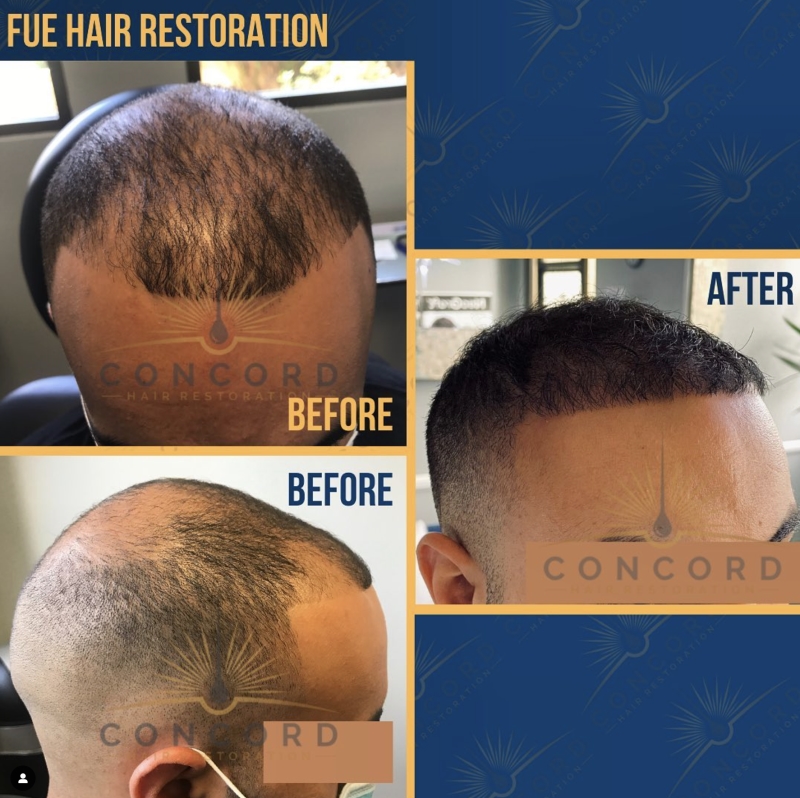
Ready to regrow your own natural hair?
A hair transplant may be just what you’re looking for to regrow your hair and regain your confidence.
The best hair clinic with two southern California locations. Concord Hair Restoration provides the best hair transplant doctor in demand, Dr. Ben Mousavi MD.
Contact us today for a free consultation.
❓ Frequently Asked Questions (FAQs) About Hair Loss Causes
Here are some common questions about the main factors contributing to hair thinning and baldness:
- What are the main contributing factors to hair loss? The main factors contributing to hair loss are genetics, stress, infections (like fungal infections), and underlying medical conditions such as thyroid disease. Lifestyle habits and certain vitamin deficiencies can also play a role.
- How does stress cause hair loss? Increased stress can cause a condition called telogen effluvium, where many hair follicles prematurely enter the shedding phase. This is often linked to a reduction in adrenal gland activity, which affects the body’s main stress hormones.
- Is genetic hair loss inherited only from the mother’s side? While the article notes that male and female baldness is often inherited from the mother, the genetic makeup affecting your hair can be inherited from both your mother and father. The exact role and pattern of baldness depend on your ancestry and specific genes.
- Can hair loss caused by a thyroid condition be cured? Yes, hair loss caused by a thyroid imbalance is curable with treatment of the underlying thyroid disease. A doctor can diagnose the condition and prescribe medication. Once the thyroid hormone levels are normalized, hair growth will typically return to normal, though it may take several months for the hair to fully regrow.
- What is the most common type of fungal infection that leads to thinning hair? The most common fungal infection that leads to hair thinning is tinea capitis (ringworm of the scalp). This condition can be contagious and, if left untreated, the fungus can permanently damage the hair follicles, leading to patches of baldness.